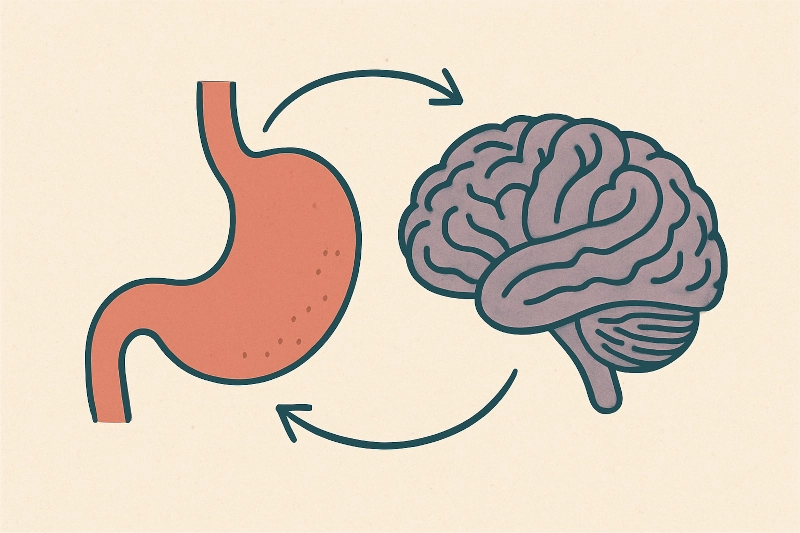
Search "supplements to help brain function" and you'll land on dozens of sites promising sharper focus, better memory, and all-day mental clarity from a single capsule. Most of that is marketing dressed up as science. The real research on cognitive-support supplements is narrower, more boring, and more useful than the hype suggests — a handful of ingredients have genuine clinical backing for specific outcomes (working memory, processing speed, age-related decline), while most of what's sold as a "nootropic stack" is either unproven or borrowed from studies on people with a diagnosed deficiency, not healthy adults looking for an edge.
Check Pineal XT's Official Site →
This isn't a roundup of the flashiest brain pills on the market. It's a breakdown of which supplement categories have real human trial data behind them, which ones are mostly hype, and where a specific product like Pineal XT — heavily marketed around "decalcifying" the pineal gland — actually lands once you check the claims against the evidence. For the full category breakdown, see our guide to the best nootropics and brain supplements.
Disclosure: this post contains affiliate links. If you click through and buy something, we may earn a commission — at no extra cost to you. It doesn't change which ingredients or products we recommend; our verdicts are based on the evidence, not the commission.
What the Research Actually Supports
A small group of ingredients shows up consistently across randomized controlled trials for measurable cognitive outcomes. None of them turn you into a different person — the effect sizes are modest — but the data is real.
Omega-3 Fatty Acids (EPA/DHA)
Omega-3s are the closest thing to a consensus pick, mostly for long-term brain health rather than an immediate cognitive boost. A Cochrane systematic review of randomized trials found that omega-3 supplementation did not reliably prevent cognitive decline in cognitively healthy older adults over the trial periods studied, though observational data linking low omega-3 intake to faster age-related decline remains fairly consistent (Sydenham et al., Cochrane Database of Systematic Reviews). Translation: omega-3s are a reasonable long-game insurance policy, not a same-day focus supplement.
B Vitamins (B6, B9, B12)
B vitamins only move the needle on cognition in people who are actually deficient or have elevated homocysteine levels — a marker linked to brain atrophy. A randomized trial in older adults with mild cognitive impairment found that B-vitamin treatment aimed at lowering homocysteine was associated with better cognitive outcomes specifically in the subgroup with high baseline homocysteine (de Jager et al., International Journal of Geriatric Psychiatry). If your B12 and folate levels are already normal, supplementing more probably won't sharpen anything.
Citicoline (CDP-Choline)
Citicoline has decent trial data in elderly and clinical populations, with weaker evidence in healthy younger adults. A Cochrane review of CDP-choline in elderly patients with cognitive and behavioral disturbances linked to chronic cerebral disorders found modest but real improvements in memory and behavior scores (Fioravanti & Yanagi, Cochrane Database of Systematic Reviews). It's one of the more defensible choline-based nootropic ingredients, but most of the supporting data is in people who already have some degree of cognitive impairment.
Caffeine + L-Theanine
This is the single most consistently replicated combination in the entire category, and it's also the most boring one — both ingredients are in a cup of green tea. A controlled trial found that caffeine combined with L-theanine improved accuracy during attention-switching tasks and reduced distractibility compared to either ingredient alone (Owen et al., Nutritional Neuroscience). We go deeper on stacking this pair, and others, in our breakdown of nootropic supplements that actually work.
Supplements With Weaker or Mixed Evidence
These show up in nearly every "brain supplement" product on the market, but the clinical case behind them is thinner than the marketing suggests.
Ginkgo Biloba
Ginkgo is probably the most overstated ingredient in this entire category. A Cochrane review covering ginkgo for cognitive impairment and dementia concluded the evidence that it has a clinically meaningful benefit is inconsistent and unconvincing across trials (Birks & Grimley Evans, Cochrane Database of Systematic Reviews). It also thins the blood, which matters for the caution section below.
Bacopa Monnieri
Bacopa has some of the better supporting data among herbal nootropics. A systematic review of randomized controlled human trials found modest memory improvements, but only after consistent use of 8-12 weeks or longer — not the same-day effect implied by most product marketing (Pase et al., Journal of Alternative and Complementary Medicine). Extract standardization varies wildly between brands, which makes dosing comparisons close to meaningless.
Panax Ginseng
A Cochrane review on ginseng for cognition found the existing trials too small and methodologically inconsistent to draw firm conclusions either way (Geng et al., Cochrane Database of Systematic Reviews). Not debunked — just not proven.
We cover dosing nuance and brand-specific comparisons for several of these in our deeper dive on brain health supplements worth taking.
Where Nootropic Stacks — and Pineal XT — Fit In
Commercial "nootropic stacks" usually bundle several of the ingredients above into one proprietary blend, often without disclosing individual dosages. That matters: a blend built mostly around ginkgo and ginseng at unknown doses is not the same product as a clinically dosed citicoline-plus-caffeine stack, even if both get marketed as "brain function support." If you're comparing name-brand stacks head-to-head, we've already done that with Alpha Brain vs. Pineal XT, and with a broader category tour in what nootropics actually work (and what doesn't).
Pineal XT's "Third Eye" Pitch, Fact-Checked
Pineal XT's sales page leans hard into decalcification language: it claims the pineal gland gets coated in calcium deposits that block your "third eye," and that dulls cognition, intuition, and sleep — and that its ingredient blend reverses this. That's the sales pitch, not a finding from the underlying ingredient research.
Pineal gland calcification is a real, well-documented phenomenon — but it's studied almost exclusively in the context of sleep architecture and melatonin production, not cognitive performance or "spiritual awakening." One study linking the degree of pineal calcification to polysomnographic sleep measures found an association with sleep quality, not with memory, focus, or IQ (Mahlberg et al., Journal of Pineal Research). There's no clinical trial showing any supplement "decalcifies" the pineal gland in living humans, let alone that doing so improves brain function.
We've reviewed the product ingredient-by-ingredient in our full Pineal XT review, and broken down the decalcification claim specifically in does Pineal XT actually work. Short version: the ingredients inside are mostly familiar sleep- and calming-support compounds, not dosed or studied as a "pineal detox." If brain function through better sleep is the actual goal, magnesium glycinate or a basic melatonin routine will do more for you per dollar than a product built around an unproven decalcification claim.
Check Pineal XT's Official Site
Who Should Be Cautious With Brain Supplements
- Anyone on blood thinners (warfarin, aspirin, clopidogrel): ginkgo biloba and high-dose omega-3s can increase bleeding risk. Talk to a doctor before combining them.
- Pregnant or breastfeeding people: most of the ingredients above, including bacopa and ginseng, don't have adequate safety data for pregnancy — skip unless a doctor specifically approves it.
- People with anxiety, heart arrhythmias, or caffeine sensitivity: caffeine-based stacks (even with L-theanine) can worsen palpitations or anxiety symptoms.
- Anyone already taking antidepressants or other psychiatric medications: several herbal nootropics interact with serotonergic and dopaminergic drugs. Check with a prescriber first.
- Children and teens: none of the ingredients discussed here have pediatric dosing data for cognitive enhancement.
Nothing in this article treats, cures, or prevents any disease. If you have a diagnosed cognitive condition, talk to a doctor before adding any supplement.
Check Pineal XT's Official Site
FAQ
What supplements actually help brain function, according to research?
Omega-3 fatty acids, B vitamins (in people who are deficient), citicoline, and the caffeine-plus-L-theanine combination have the most consistent clinical trial support. Ginkgo, bacopa, and ginseng have weaker or mixed evidence.
Do nootropic supplements work for everyone?
No. Most clinical benefits shown in trials are strongest in people with an existing deficiency or mild cognitive impairment — healthy adults with normal nutrient levels typically see smaller or no measurable effects.
How long does it take for brain supplements to work?
Ingredients like caffeine and L-theanine have same-day effects on alertness and attention. Others, like bacopa and citicoline, generally need 8-12 weeks of consistent use before trial-level effects show up.
Can I take multiple brain supplements together?
Some combinations (like caffeine and L-theanine) are well-studied together. Others overlap in mechanism or risk (like stacking ginkgo with omega-3s on blood thinners) — check with a doctor before combining more than one or two ingredients.
Is Pineal XT worth trying for brain function?
Our editorial verdict is skeptical: the product's core decalcification claim has no clinical trial support, and the actual ingredients overlap heavily with cheaper, better-studied sleep-support options like magnesium glycinate and melatonin.
Are over-the-counter brain supplements regulated by the FDA?
No. Dietary supplements are regulated as food, not drugs, in the US — manufacturers don't need FDA approval to sell them, and claims are limited to structure/function language rather than disease treatment claims.
References
- Sydenham E, et al. "Omega 3 fatty acid for the prevention of cognitive decline and dementia." Cochrane Database of Systematic Reviews. PubMed
- de Jager CA, et al. "Cognitive and clinical outcomes of homocysteine-lowering B-vitamin treatment in mild cognitive impairment." International Journal of Geriatric Psychiatry. PubMed
- Fioravanti M, Yanagi M. "Cytidinediphosphocholine (CDP-choline) for cognitive and behavioural disturbances associated with chronic cerebral disorders in the elderly." Cochrane Database of Systematic Reviews. PubMed
- Owen GN, et al. "The combined effects of L-theanine and caffeine on cognitive performance and mood." Nutritional Neuroscience. PubMed
- Birks J, Grimley Evans J. "Ginkgo biloba for cognitive impairment and dementia." Cochrane Database of Systematic Reviews. PubMed
- Pase MP, et al. "The cognitive-enhancing effects of Bacopa monnieri: a systematic review of randomized, controlled human clinical trials." Journal of Alternative and Complementary Medicine. PubMed
- Geng J, et al. "Ginseng for cognition." Cochrane Database of Systematic Reviews. PubMed
- Mahlberg R, et al. "Degree of pineal calcification (PC) is associated with polysomnographic sleep." Journal of Pineal Research. PubMed