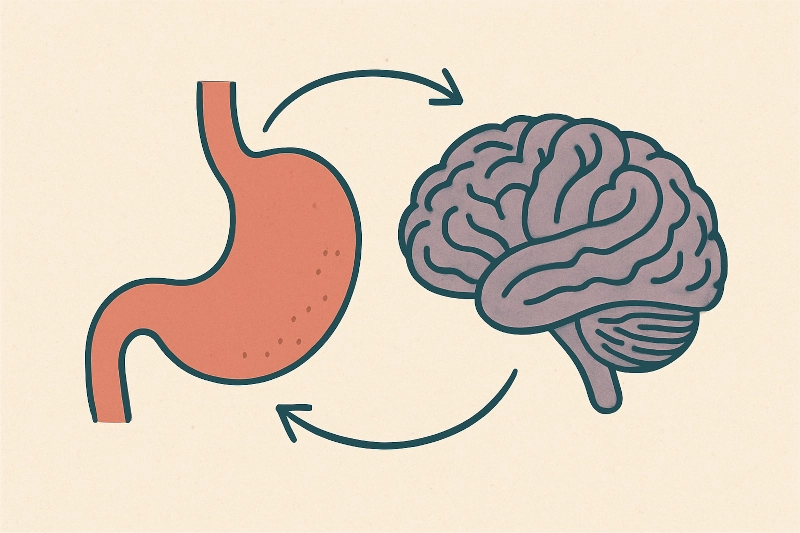
"Brain health supplements" is one of the fastest-growing corners of the supplement industry, and also one of the murkiest. The category spans everything from a $12 bottle of fish oil to $70-a-month capsules promising to "activate" parts of your brain that neuroscience doesn't describe as switches to begin with. Before you buy anything, it's worth separating the ingredients that have actual human trial data behind them from the ones riding on vague neuroscience-adjacent language.
This isn't a roundup of specific bottles — for that, see our best nootropics and brain supplements guide. This is the ingredient-level breakdown: what's worth your money, what's probably a waste, and how to tell the difference when a label is doing its best to confuse you.
What "Brain Health Supplements" Actually Covers
The category is a grab bag of three very different things, and brands count on you not noticing the difference:
- Nutrients that treat an actual deficiency. If you're low on B12, omega-3s, or iron, correcting that measurably helps cognition. This is real medicine, not a nootropic effect.
- Botanicals and compounds with modest human trial data. Bacopa monnieri, citicoline, and a handful of mushroom extracts fall here — small but real effects, usually after weeks of consistent use, not "within an hour" as some labels imply.
- Marketing-first ingredients wrapped in neuroscience language. This is where "brain fog," "mental clarity," and pseudo-spiritual claims about glands and energy centers show up. More on this below.
The Ingredients With Real Evidence Behind Them
Omega-3s (DHA specifically). DHA is a structural component of brain cell membranes, and the National Institutes of Health's own fact sheet on omega-3 fatty acids notes associations between adequate intake and cognitive outcomes, particularly in populations with low baseline intake. The effect is real but modest — this is a "fill a gap" supplement, not a performance enhancer, and if you already eat fatty fish twice a week you likely don't need it.
Bacopa monnieri. A 2014 meta-analysis of randomized controlled trials published in the Journal of Ethnopharmacology found Bacopa extract produced small but statistically significant improvements in measures of memory and attention, typically after 8–12 weeks of consistent dosing (Kongkeaw et al., 2014). This is one of the better-supported botanicals in the category — but "small but significant" is the honest description, not "transformational."
Citicoline. A placebo-controlled trial in healthy adult women found citicoline supplementation improved measures of attention and psychomotor speed over 28 days (McGlade et al., 2012). It's one of the few nootropic ingredients with trials in healthy (not cognitively impaired) adults, which matters if you're not dealing with a diagnosed deficit.
Lion's mane mushroom (Hericium erinaceus). A small Japanese trial found lion's mane extract improved cognitive scores in older adults with mild cognitive impairment over 16 weeks, with benefits fading after supplementation stopped (Mori et al., 2009). Promising, but the trial was small (30 participants) and hasn't been widely replicated at scale — treat it as "worth watching," not settled science.
B12 and folate, if you're actually deficient. Deficiency in either can cause genuine cognitive symptoms — brain fog, memory problems, even symptoms that mimic early dementia in older adults — and correcting it reverses those symptoms. But per the NIH's B12 fact sheet, supplementing when you're not deficient shows no added cognitive benefit. This is the clearest example in the whole category of a supplement that only works if you need it.
The Marketing Playbook: "Third Eyes," Decalcified Glands, and Other Red Flags
Once you leave nutrient deficiencies and modestly-studied botanicals, the category gets weird fast. A good example is the marketing around pineal gland supplements, which we covered in depth in our breakdown of Pineal XT's "third eye" claims. The sales pitch for products like this typically argues that the pineal gland becomes "calcified" over time, blocking some kind of intuitive or spiritual capacity, and that specific supplement blends can "decalcify" it and restore mental clarity.
That's the marketing. Here's the science: pineal gland calcification is a real, well-documented anatomical phenomenon visible on CT and MRI scans, and it does increase with age — but it's an incidental imaging finding, not a diagnosed disorder, and there is no peer-reviewed human evidence that any supplement reverses it or that reversing it would change cognition, mood, or anything else measurable. The gland's actual, confirmed job is regulating melatonin and sleep-wake cycles, not operating as a metaphysical sensory organ. We walked through the full ingredient list and verdict in our Pineal XT review — our take there was that you'd get more reliable value from plain magnesium glycinate or melatonin if sleep and mental clarity are the actual goal.
This pattern — take a real, boring anatomical fact, attach mystical language to it, then sell a fix — shows up across the brain health category, not just with one brand. The tell is almost always the same: specific, falsifiable biology (a gland, an enzyme, a neurotransmitter) paired with vague, unfalsifiable benefits ("clarity," "activation," "awakening").
Who Should Be Cautious
Brain health supplements aren't automatically low-risk just because they're sold without a prescription:
- Anyone on blood thinners or planning surgery — omega-3s, ginkgo, and several other common ingredients can increase bleeding risk.
- Pregnant or breastfeeding people — most botanical nootropics (Bacopa, lion's mane, ginkgo) lack safety data in pregnancy; stick to what your OB has approved.
- People on SSRIs, MAOIs, or other psychiatric medications — several "brain support" botanicals interact with neurotransmitter pathways and haven't been tested for interactions with these drug classes.
- Anyone with a diagnosed cognitive or neurological condition — dementia, diagnosed MCI, or a seizure disorder warrant a conversation with a neurologist before adding any supplement, since some ingredients can interact with standard treatments.
How to Actually Evaluate One of These Products
Three questions cut through most of the marketing: Does the ingredient list name doses, or just a proprietary blend total? Is the central claim backed by a specific, checkable citation, or just "studies show"? And does the sales copy name a real anatomical structure and then make an unfalsifiable claim about it? If a product fails two of those three, it's probably not worth the subscription price. For a deeper look at how we evaluate specific products in this space, see our nootropics 101 breakdown and our guide to what actually works in nootropic supplements.
FAQ
Do brain health supplements actually work?
Some ingredients, like Bacopa monnieri and citicoline, show modest but real benefits in clinical trials. Many others rely on marketing language with no human trial data behind the specific claims being made.
How long do brain supplements take to work?
Botanical ingredients like Bacopa typically need 8–12 weeks of consistent use before trial-documented effects appear. Anything promising noticeable changes within a day or two is overselling the evidence.
Are brain health supplements safe to take every day?
Most of the well-studied ingredients are safe for healthy adults at studied doses, but "safe" depends on your medications and health conditions — blood thinners, pregnancy, and psychiatric medications are the most common interaction risks.
What's the difference between a nootropic and a brain health supplement?
"Nootropic" technically refers to substances that enhance cognition in healthy people; "brain health supplement" is a broader marketing term that includes nootropics, nutrient deficiency corrections, and plenty of ingredients with weaker evidence.
Is pineal gland decalcification a real thing supplements can fix?
Pineal gland calcification is a real, common finding on brain imaging, but there's no peer-reviewed evidence that any supplement reverses it or that doing so would change cognition. This is one of the more common unfalsifiable claims in the category.
Should I get tested before taking a brain health supplement?
If you're considering B12, folate, or iron specifically, a simple blood panel will tell you whether you're actually deficient — supplementing without one means you can't know if the product is doing anything beyond placebo.
References
- National Institutes of Health, Office of Dietary Supplements — Omega-3 Fatty Acids Fact Sheet for Health Professionals
- National Institutes of Health, Office of Dietary Supplements — Vitamin B12 Fact Sheet for Health Professionals
- Kongkeaw C, et al. "Meta-analysis of randomized controlled trials on cognitive effects of Bacopa monnieri extract." Journal of Ethnopharmacology, 2014 — PubMed
- McGlade E, et al. "Improved Attentional Performance Following Citicoline Administration in Healthy Adult Women." Food and Nutrition Sciences, 2012 — PubMed
- Mori K, et al. "Improving effects of the mushroom Yamabushitake (Hericium erinaceus) on mild cognitive impairment." Phytotherapy Research, 2009 — PubMed