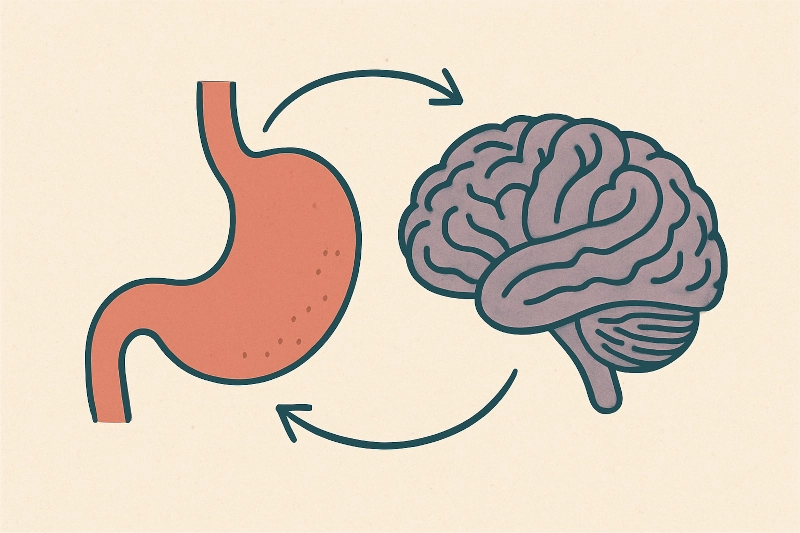

Every meal you eat has to be broken down into pieces small enough for your body to absorb — and that job belongs almost entirely to gastrointestinal enzymes. They're not a wellness trend; they're a biological requirement. The question that actually matters for most people isn't "do digestive enzymes exist" (they obviously do), it's whether your own supply is enough, and whether a supplement bottle can meaningfully help if it isn't.
Disclosure: This post may contain affiliate links. If you buy through one, we may earn a commission at no extra cost to you. That doesn't change our editorial take — including the parts where we tell you to skip a product.
What Are Gastrointestinal Enzymes?
Gastrointestinal enzymes are proteins produced mainly by the pancreas, salivary glands, stomach, and small intestine that chemically break down food into absorbable units — carbohydrates into simple sugars, proteins into amino acids, and fats into fatty acids and glycerol. Without them, nutrients would pass through your digestive tract largely intact and unusable.
This is distinct from probiotics, which are live microorganisms that influence your gut's bacterial balance. Enzymes do the mechanical/chemical breakdown; gut bacteria do fermentation, immune signaling, and some vitamin synthesis further down the line. The two interact, but they're not interchangeable, and a lot of marketing blurs that line on purpose.
The Main Types of Digestive Enzymes
Three categories account for most of digestion:
- Amylase — breaks down starches and carbohydrates, produced in saliva and the pancreas.
- Protease — breaks down proteins into amino acids, produced in the stomach (as pepsin) and pancreas.
- Lipase — breaks down fats, produced almost entirely by the pancreas.
A few more specialized enzymes matter for specific foods: lactase breaks down the lactose in dairy, and its decline with age is the most common and best-documented enzyme deficiency in adults. Cellulase and alpha-galactosidase (found in products like Beano) target plant fibers humans don't produce enzymes for naturally, which is why beans and cruciferous vegetables cause gas for almost everyone to some degree.
Signs Your Body Might Be Struggling to Keep Up
Occasional bloating after a heavy meal is normal and not a sign of enzyme failure. Patterns worth paying attention to include bloating or gas that shows up consistently after specific food groups (dairy, beans, fatty meals), undigested food visible in stool, unexplained weight loss alongside greasy or foul-smelling stools, and chronic diarrhea. That last cluster — especially greasy stool (steatorrhea) — is a classic marker of exocrine pancreatic insufficiency (EPI), a real medical condition where the pancreas doesn't produce enough enzymes, often linked to chronic pancreatitis, cystic fibrosis, or pancreatic surgery. EPI is diagnosed by a doctor, not guessed from a symptom checklist, and it's the one scenario where prescription-strength enzyme replacement has strong clinical backing.
Food First: Natural Sources of Digestive Enzymes
Several whole foods contain active enzymes that can modestly assist digestion when eaten raw (heat deactivates most enzymes):
- Pineapple — contains bromelain, a protease.
- Papaya — contains papain, also a protease.
- Mango and honey — contain small amounts of amylase.
- Kiwi — contains actinidin, which helps break down protein.
- Fermented foods (kefir, sauerkraut, miso) — contain enzymes produced during fermentation, alongside live cultures.
If you're already working on gut health through fiber and fermented foods, this fits naturally alongside the habits covered in our Gut Health 101 guide — enzymes are one piece of a bigger digestive picture, not a replacement for the basics.
What the Evidence Actually Shows
The research on enzyme supplementation is uneven, and it's worth separating the strong evidence from the speculative.
For EPI specifically, pancreatic enzyme replacement therapy (PERT) has solid clinical trial support for improving fat absorption and nutritional status — this is prescription-grade enzyme dosing supervised by a physician, not an over-the-counter capsule (PubMed: pancreatic enzyme replacement therapy research).
For lactose intolerance, lactase supplements taken with dairy have randomized trial evidence showing reduced symptoms like bloating and gas in lactase-deficient adults — this is one of the better-supported over-the-counter enzyme use cases (PubMed: lactase supplementation trials).
For general over-the-counter digestive enzyme blends marketed for bloating, IBS, or "gut support" in people without a diagnosed deficiency, the evidence is thinner and more mixed — some small trials show modest symptom improvement for certain enzyme combinations, others show no meaningful difference versus placebo. The honest read: enzyme supplements are reasonably well-supported for the specific deficiency they target, and poorly supported as a general-purpose fix for a vaguely unhappy stomach.
Do Enzyme Supplement Products Help? A Skeptical Look
Most over-the-counter digestive enzyme blends — including multi-enzyme products like Digesti — combine amylase, protease, lipase, and sometimes lactase or plant-based enzymes into one capsule taken with meals. The appeal is real: if your diet is heavy on fat, dairy, or hard-to-digest plant fiber, and you're not dealing with a diagnosed deficiency, a broad-spectrum blend is a low-risk way to test whether extra enzymatic support reduces bloating after meals.
What it won't do is replace a medical workup if you have the EPI warning signs above, and it won't outperform basic fixes like eating more slowly, reducing portion sizes of trigger foods, or addressing an underlying condition like IBS through diet. Treat enzyme supplements as a mealtime add-on to test for a few weeks, not a guaranteed fix.
If dairy specifically is your trigger rather than digestion broadly, a standalone lactase product is the more targeted (and better-evidenced) choice than a general blend.
Who Should Be Cautious With Enzyme Supplements
Digestive enzyme supplements are generally well tolerated, but a few groups should talk to a doctor before starting one:
- Anyone with diagnosed pancreatitis or a history of pancreatic disease — enzyme dosing in these cases needs medical supervision, not an over-the-counter guess.
- Pregnant or breastfeeding people — most enzyme blends haven't been specifically studied in pregnancy.
- People with active stomach ulcers or gastritis — protease-heavy blends can sometimes irritate already-inflamed tissue.
- Anyone on blood thinners — some plant-derived enzymes like bromelain have mild blood-thinning properties and can interact.
- Children, without pediatric guidance — dosing isn't standardized for kids.
- Anyone with the EPI warning signs described earlier — this calls for a diagnostic workup, not self-treatment with a retail supplement.
Our Verdict
Gastrointestinal enzymes are essential, well understood biologically, and genuinely deficient in specific, diagnosable situations — most clearly lactose intolerance and exocrine pancreatic insufficiency. Outside of those, a general enzyme blend is a reasonable, low-cost experiment for bloating after meals, but it's not a guaranteed fix, and it shouldn't substitute for looking at diet basics first — the kind of groundwork we cover in our fiber supplement comparison and our gut health supplement roundup. If persistent symptoms show up alongside weight loss or greasy stools, that's a conversation for a doctor, not a supplement aisle.
FAQ
What's the difference between digestive enzymes and probiotics?
Enzymes chemically break down food into absorbable nutrients, while probiotics are live bacteria that support the balance of your gut microbiome. They work alongside each other but aren't interchangeable.
Can I get enough digestive enzymes from food alone?
For most healthy people, yes — the pancreas, stomach, and salivary glands produce what's needed. Raw pineapple, papaya, and fermented foods add small amounts, but they're a complement, not a replacement for normal enzyme production.
Do digestive enzyme supplements help with bloating?
Possibly, for some people, especially around dairy or fatty meals — but the evidence for general-purpose blends is mixed. Targeted options like lactase for dairy have stronger trial support than broad multi-enzyme blends.
Is low stomach enzyme production common with age?
Lactase production specifically does decline with age in a large share of adults, which is why lactose intolerance often develops later in life even without childhood symptoms. Pancreatic enzyme output can also decline with certain chronic conditions, though that's less universal than lactase decline.
Are digestive enzyme supplements safe to take daily?
Generally yes for healthy adults using standard over-the-counter doses, but check the cautions section above if you have pancreatic disease, ulcers, or are on blood thinners, and talk to a doctor before long-term daily use.
Can enzyme supplements replace treatment for a real digestive condition?
No. Conditions like exocrine pancreatic insufficiency require medically supervised, prescription-strength enzyme replacement, and symptoms like unexplained weight loss or greasy stools need a diagnostic workup, not a retail supplement.