Affiliate Disclosure: This post may contain affiliate links. If you click through and make a purchase, we may earn a commission at no extra cost to you. That relationship never changes our editorial verdict below.
Psyllium husk powder shows up everywhere once you start looking: in fiber supplement capsules, in bulk tubs sold as a standalone powder, and as the main active ingredient behind a lot of "gut health" marketing. It's cheap, it's been studied for decades, and it genuinely does something in the gut — which already puts it ahead of most trending supplements. But "does something" isn't the same as "does everything the label implies." This post looks at what psyllium husk powder actually is, what the research supports, how to dose it without regretting it, and who should leave it on the shelf.
If you landed here from our broader cluster, start with Gut Health 101: Foods, Fiber & Practical Habits for Better Digestion for the full picture of how fiber, food, and habits fit together.
What Is Psyllium Husk Powder, Exactly?
Psyllium husk powder is made from the ground seed husks of Plantago ovata, a plant grown mostly in India. The husk is mostly fiber — a mix of soluble and insoluble types, with the soluble fraction dominating. When that soluble fiber hits water, it swells into a thick, viscous gel. That gel-forming property is the entire mechanism behind almost everything psyllium is used for: it adds bulk and moisture to stool, and it can slow down how quickly sugar and cholesterol get absorbed in the small intestine.
This is the same compound sold under brand names as a powder, in capsules, or as wafers. The form changes convenience and cost per dose, not the underlying fiber itself.
What the Evidence Actually Shows
Regularity and chronic constipation. This is psyllium's best-supported use. Randomized trials on soluble fiber for chronic constipation consistently show improved stool frequency and softer, easier-to-pass stool compared to placebo — you can review the underlying trial data yourself via PubMed's indexed trials on psyllium and chronic constipation. If you want same-day relief rather than a long-term fiber habit, our quick constipation relief guide covers faster-acting options; for a gentler daily approach, see natural constipation relief.
Cholesterol. Several controlled trials and meta-analyses have looked at psyllium's effect on LDL cholesterol, generally finding a modest reduction when it's taken consistently alongside a reasonable diet — not instead of one. The effect size is real but small; see the meta-analyses on psyllium and cholesterol indexed on PubMed before assuming it will move the needle on its own.
IBS and blood sugar. Evidence here is weaker and more mixed. Some trials on soluble fiber and irritable bowel syndrome symptoms show modest improvement, particularly for constipation-predominant IBS, while others show little difference — the IBS and fiber literature on PubMed is worth skimming if this is your main reason for trying it. Blood sugar effects (slower glucose absorption after meals) are plausible mechanistically but not consistent enough across studies to call this a reliable tool for glucose management on its own.
What the evidence does not support: psyllium as a weight-loss shortcut, a detox agent, or anything marketed as fast or dramatic. Any effect here is slow, modest, and dependent on actually taking it daily.
How Much to Take and How to Use It
Most research uses doses in the 5–10 gram range per day, split across one to three servings, mixed into a full glass of water (at least 8 oz per dose) and drunk promptly before it thickens. Starting low — around 3–5 grams — and increasing over one to two weeks cuts down on the bloating and gas that hit people who jump straight to a full dose. Consistency matters more than dose size: psyllium's effects on cholesterol and regularity build over days to weeks, not a single use.
Hydration isn't optional here. Psyllium works by absorbing water; if you don't give it enough, it can thicken in the esophagus or gut instead of in a glass, which is the source of most of the real safety concerns below.
Psyllium Husk Powder vs. Capsules vs. Whole Husk
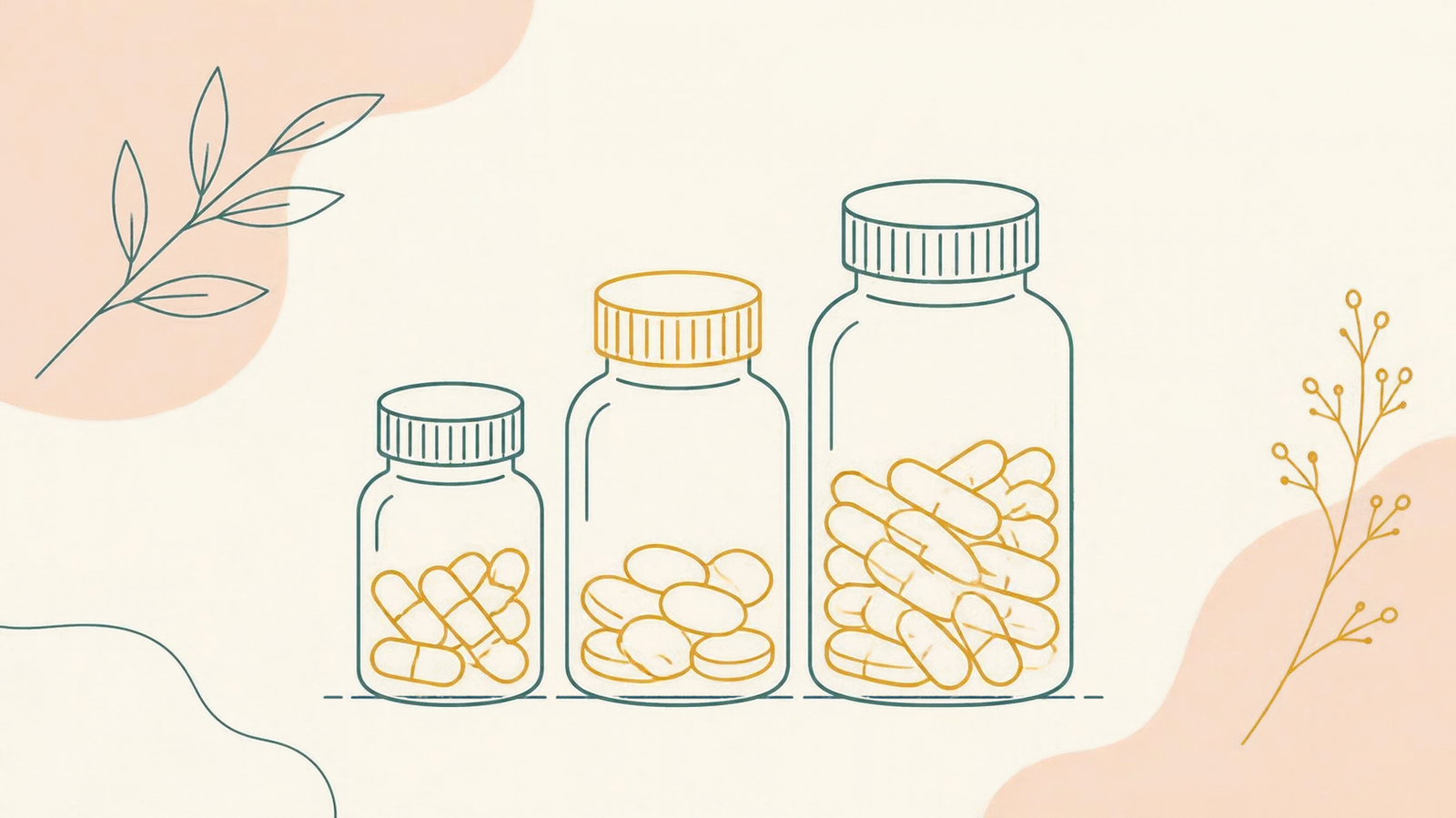
Powder is the cheapest per gram of fiber and lets you control dose precisely, but it requires mixing and has a gritty texture some people dislike. Capsules cost more per gram but skip the mixing step entirely — useful if the texture is what's stopping you from being consistent, since consistency is what actually drives results. Whole husk (less processed, coarser) behaves similarly to powder but is harder to find and dose accurately.
If capsules are the format that will actually get used daily, GoldenFrib is a fiber supplement built around this same soluble-fiber mechanism, in a format that skips the mixing step. It's one option among several — our full breakdown of the category, including where capsule products are and aren't worth the markup over plain powder, is in Best Fiber Supplements: Types, Brands & How to Choose the Right One.
Check GoldenFrib's Official Site

Side Effects and Risks
The most common complaints are bloating, gas, and mild cramping, especially in the first week or when dose is increased too fast — both usually settle down once your gut adjusts and you've dialed in hydration. Less common but more serious: insufficient water intake alongside psyllium has been linked to esophageal blockage and, rarely, bowel obstruction, particularly in people with any pre-existing narrowing of the digestive tract. Psyllium can also reduce the absorption of some oral medications if taken at the same time, so most guidance recommends spacing other medications at least one to two hours apart from a psyllium dose.
Who Should Be Cautious With Psyllium Husk Powder
- Anyone with difficulty swallowing, a history of esophageal narrowing, or prior bowel obstruction — talk to a doctor before starting.
- People on diabetes medication, since fiber can alter how quickly carbohydrates are absorbed and may require blood sugar monitoring adjustments.
- Anyone taking oral medications with a narrow dosing window (certain heart, thyroid, or psychiatric medications) — space doses apart and check with a pharmacist.
- Pregnant or breastfeeding individuals should check with their provider before adding any new fiber supplement.
- Anyone with a known allergy to psyllium or related plants (allergic reactions, while uncommon, have been reported, including in people with occupational exposure to psyllium dust).
The Bottom Line
Psyllium husk powder is one of the few fiber supplements with genuinely solid trial support behind its core uses: regularity and a modest cholesterol benefit. It's not a weight-loss tool, not a fast fix, and not something that works if you take it once and expect results. If you're consistent, hydrate properly, and don't expect miracles beyond what the mechanism can plausibly deliver, it's a reasonable, low-cost addition to a fiber routine. If capsule convenience is what will actually make you consistent, that's the only reason to pay more for an encapsulated version over plain powder.
See GoldenFrib's Official Site
For the wider picture of how fiber fits alongside probiotics and overall gut habits, see Probiotics for Gut Health and our evidence-based roundup of Best Gut Health Supplements.
FAQ
Is psyllium husk powder the same as Metamucil?
Metamucil's main active ingredient is psyllium husk, so the core fiber is the same. Branded products often add sweeteners, flavoring, or anti-clumping ingredients that plain psyllium husk powder doesn't contain.
How long does psyllium husk powder take to work for constipation?
Many people notice softer, more regular stools within 12–72 hours of consistent daily use, though building to a full effective dose gradually over a week or two is usually more comfortable than starting at full strength right away.
Can I take psyllium husk powder every day long-term?
Yes, it's generally considered safe for daily long-term use for most healthy adults when taken with adequate water. If you're on other medications or have a digestive condition, confirm long-term use with your doctor first.
Does psyllium husk powder help with weight loss?
Not reliably. It can increase feelings of fullness because of the gel it forms, which may modestly reduce how much you eat, but it isn't a validated weight-loss treatment on its own and shouldn't be relied on as one.
What's the difference between psyllium husk powder and psyllium seed?
The husk is the outer coating of the seed and is where most of the soluble fiber lives; whole seed contains more insoluble fiber and fat and is used less often in supplements because it's harder to standardize for dosing.
Can psyllium husk powder interact with my medications?
It can reduce the absorption of some oral medications if taken at the same time. Most guidance suggests taking other medications at least one to two hours before or after a psyllium dose, and checking with a pharmacist if you're on a narrow-dosing-window drug.