Fiber tablets show up in almost every "constipation relief" search because they're easy to swallow, easy to travel with, and don't require mixing powder into water. But convenience isn't the same as effectiveness. Before you add another bottle to your cabinet, it's worth knowing what the actual research says fiber does for constipation, how tablets compare to powders and food, and what separates a tablet worth taking from one that's mostly filler.
This is a companion piece to our broader Gut Health 101 guide, which covers fiber, foods, and digestion habits in more depth. If you want the fast, symptom-first version of this topic, see our guide to quick constipation relief.

How Fiber Tablets Actually Work for Constipation
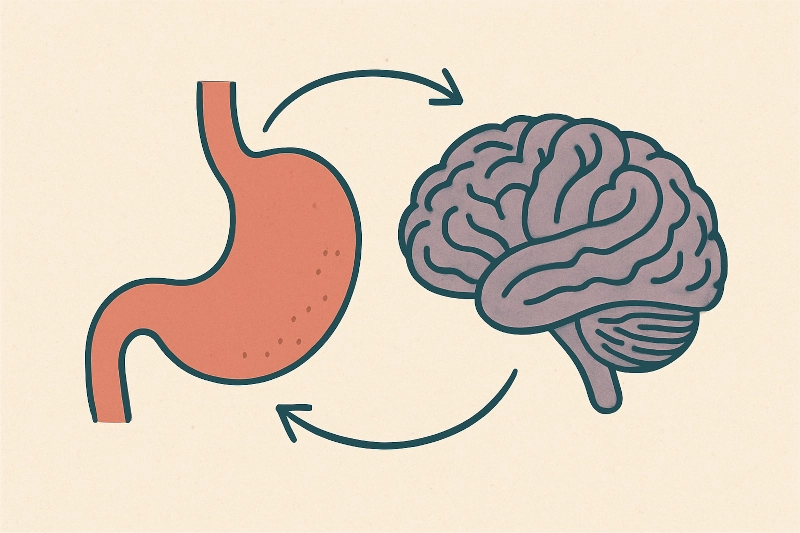
Constipation is, most of the time, a stool-consistency and transit-time problem. Soluble fiber — the type used in most fiber tablets — absorbs water and forms a gel in the gut, which softens stool and makes it easier to pass. A 2011 systematic review in Alimentary Pharmacology & Therapeutics looked specifically at fiber's effect on chronic idiopathic constipation and found that soluble fiber, particularly psyllium, reliably improved stool frequency and consistency, while insoluble fiber (wheat bran) showed weaker and more inconsistent results (Suares & Ford, 2011).
A separate meta-analysis pooling multiple fiber trials found a similar pattern: fiber supplementation increased stool frequency and softened stool consistency across studies, with soluble, fermentable fibers performing more consistently than coarse insoluble ones (Yang et al., 2012). The takeaway: the fiber type inside the tablet matters more than the fact that it's a tablet.
Fiber Tablets vs. Powder, Gummies, and Whole Food
Tablets are the most convenient format, but they're not automatically the most effective one. A few practical differences:
- Tablets deliver a fixed, usually smaller dose per unit — you may need 6-10 tablets to match what a single scoop of powder provides, which pushes up cost per effective dose.
- Powders (psyllium husk being the most studied) let you dose flexibly and dissolve fully, which some people find gentler on the stomach.
- Gummies are often the lowest-fiber, highest-sugar option of the three — check the label before assuming a gummy is doing meaningful work.
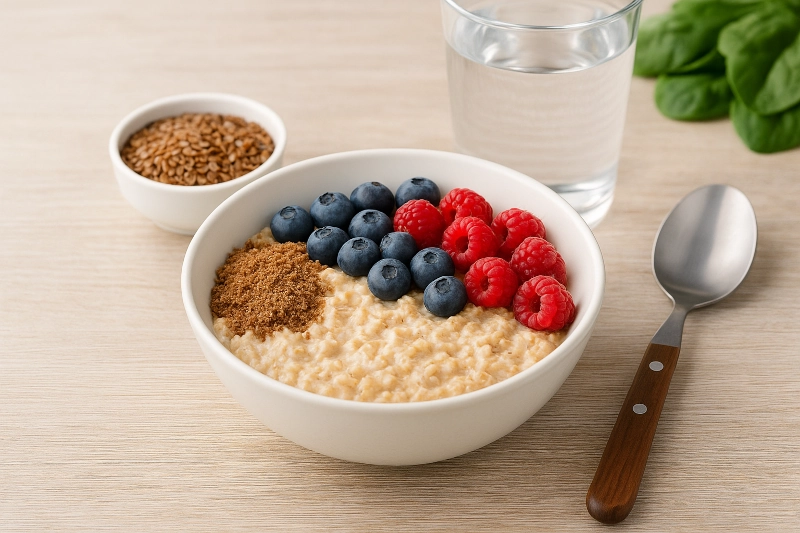
- Whole foods (fruit, legumes, oats) come with water content and other nutrients that supplements don't replicate, but they're slower and less concentrated for acute relief.
If you're comparing specific brands across all four formats, our fiber supplement comparison guide breaks down types and pricing in more detail.
How Much Fiber You Actually Need
Most adults fall well short of the 25-38 grams of daily fiber generally recommended, and constipation-specific trials typically test supplemental doses in the 10-20 gram per day range on top of dietary intake. A tablet-based product that supplies only 1-2 grams per serving means you'd need a large number of tablets to reach a dose anywhere close to what the research above actually tested. Start low (a few grams above your current intake) and increase over one to two weeks — jumping straight to a high dose is the most common reason people blame fiber for bloating that's really just a too-fast ramp-up.
Affiliate Disclosure: Some links in this article are affiliate links. If you buy through them, we may earn a commission at no extra cost to you. We only recommend products after researching their ingredients and dosing. This is not medical advice — see the caution section below.
What to Look for in a Fiber Tablet (and Red Flags to Skip)
Because tablets pack less fiber per unit than powder, label-reading matters more here than in almost any other supplement format. Check for:
- Actual fiber grams per serving, not just "proprietary blend" — if the fiber content isn't broken out, that's a red flag.
- The fiber source — psyllium, inulin, or glucomannan have the most human trial data behind them for constipation specifically.
- Realistic serving size — if you'd need 15+ tablets a day to hit a meaningful dose, the per-bottle cost math usually doesn't work out.
One product in this space we've researched directly is GoldenFrib, a fiber supplement built around a soluble-fiber blend rather than a single low-dose filler ingredient. It won't be the right fit for everyone — cost per dose is a real consideration for anyone comparing it to plain psyllium husk powder — but the ingredient transparency is better than most tablet-format competitors we've looked at.
Check GoldenFrib's Ingredients & Pricing
Who Should Be Cautious With Fiber Tablets
Fiber supplements are generally well tolerated, but they're not risk-free for everyone. Talk to a doctor before starting a fiber tablet if you:
- Have a diagnosed bowel obstruction, strictures, or a history of bowel surgery — added bulk can worsen blockages.
- Take medications on a strict schedule (thyroid medication, certain antibiotics, or SSRIs) — fiber can reduce absorption if taken too close together; a general rule is spacing fiber doses at least two hours from other medications.
- Have swallowing difficulties — tablets require adequate fluid intake to move through the esophagus safely; a large volume of tablets without enough water has, in rare cases, contributed to esophageal blockage.
- Are pregnant or nursing — fiber itself is generally considered low-risk, but any new supplement during pregnancy should be cleared with your OB first.
If constipation is sudden, severe, accompanied by vomiting, or lasts more than two weeks despite fiber and hydration, that's a reason to see a doctor rather than add more supplements.
The Verdict
Fiber tablets can work for constipation, but the format itself isn't what makes them effective — the fiber type and the actual dose per serving are what matter, and tablets often under-deliver on both compared to a measured scoop of psyllium powder. If you're going to use tablets for the convenience, read the label closely, do the per-dose math, and be patient — most people see a meaningful change in stool consistency within 3-7 days of consistent use, not overnight.
See GoldenFrib's Official Site
Related Reading
- Gut Health 101: Foods, Fiber & Practical Habits for Better Digestion
- Best Fiber Supplements: Types, Brands & How to Choose the Right One
- Quick Constipation Relief: What Works in 4-12 Hours
- Natural Constipation Relief: Gentle, Evidence-Based Ways to Get Things Moving
- Probiotics for Gut Health: How They Support Digestion, Immunity & Balance
- Best Gut Health Supplements 2026: Evidence-Based Reviews & Comparison
FAQ
How long do fiber tablets take to work for constipation?
Most people notice softer, more regular stools within 3-7 days of consistent use. Fiber isn't a fast-acting laxative — it works by changing stool consistency over time, not triggering an immediate bowel movement.
Are fiber tablets as effective as fiber powder?
Only if you match the actual fiber dose. Because tablets pack less fiber per unit, you often need many more tablets than expected to reach the amount used in clinical studies, which usually makes powder a more practical way to hit an effective dose.
Can fiber tablets make constipation worse?
Yes, if taken without enough water. Fiber needs fluid to form the gel that softens stool — taken dry or with too little water, it can have the opposite effect and increase bloating or hard stool.
What's the best type of fiber tablet for constipation?
Psyllium-based tablets have the strongest evidence for constipation specifically. Glucomannan and inulin have some supporting research too, while plain wheat bran (insoluble fiber) tends to show weaker, less consistent results in trials.
Can I take fiber tablets every day long-term?
For most healthy adults, yes — daily fiber supplementation is generally considered safe long-term. Anyone with a bowel condition, on tightly-timed medication, or with swallowing difficulties should check with a doctor first.
Do fiber tablets cause bloating and gas?
Some bloating is common when starting, especially at a high dose right away. It usually settles within one to two weeks as your gut adjusts — starting at a lower dose and increasing gradually reduces this significantly.
References
- Suares, N.C. & Ford, A.C. (2011). Systematic review: the effects of fibre in the management of chronic idiopathic constipation. Alimentary Pharmacology & Therapeutics. pubmed.ncbi.nlm.nih.gov/21323688
- Yang, J., Wang, H.P., Zhou, L., Xu, C.F. (2012). Effect of dietary fiber on constipation: a meta-analysis. World Journal of Gastroenterology. pubmed.ncbi.nlm.nih.gov/22665732