
You’ve heard probiotics mentioned everywhere—yogurt ads, supplement shelves, Instagram wellness posts—but you’re still not sure if they actually do anything, which strains matter, or whether you’re wasting money on bacteria that die before reaching your gut. Here’s what the science actually says about probiotics for gut health, immunity, and digestion, and how to choose supplements that work.
📋 Important: This article provides evidence-based information for educational purposes. It is not a substitute for professional medical advice. If you have weakened immunity, inflammatory bowel disease (IBD), recent surgery, or underlying health conditions, consult a healthcare provider before starting probiotic supplements, as certain strains may not be appropriate for immunocompromised individuals.
What Probiotics Actually Do (And What They Don’t)
Rachel started taking a popular probiotic after her doctor suggested it might help with bloating. Two weeks in, nothing changed. She switched brands three times before realizing the issue wasn’t the probiotics—it was that she needed a specific strain for her symptoms, consistent timing, and realistic expectations about what bacteria in a capsule can actually fix.
Probiotics are live microorganisms—primarily bacteria, but also some yeasts—that, when consumed in adequate amounts, provide health benefits to the host. According to the National Institute of Diabetes and Digestive and Kidney Diseases, your gut contains trillions of bacteria that help break down food, produce vitamins like B12 and K, protect against harmful pathogens, and regulate immune responses. Probiotics work by temporarily colonizing your digestive tract, competing with harmful bacteria, strengthening the gut barrier, and modulating inflammation. They don’t permanently alter your microbiome—once you stop taking them, their population declines—but regular use can maintain beneficial effects.
However, probiotics aren’t a cure-all. They support digestive function and immune balance, but they don’t fix poor diet, chronic stress, or underlying conditions like inflammatory bowel disease (IBD) on their own. Think of probiotics as reinforcement for an already functional system, not a replacement for fiber-rich whole foods, hydration, and healthy lifestyle habits. If your gut is severely dysbiotic due to prolonged antibiotic use, high stress, or inadequate fiber intake, probiotics may help tip the balance, but they work best alongside foundational changes. The effects are also strain-specific—not all probiotics do the same thing, which is why understanding which strains target which issues matters more than you think.
The Gut-Immunity Connection: Why Microbiome Balance Matters
Your gut houses about 70% of your immune system. The gut lining acts as a selective barrier, letting nutrients pass while blocking pathogens, toxins, and undigested food particles. When your microbiome is balanced—meaning beneficial bacteria outnumber harmful ones—this barrier stays strong, inflammation stays low, and your immune cells communicate efficiently.
Probiotics support this balance through several mechanisms. They produce short-chain fatty acids (SCFAs) like butyrate, which fuel the cells lining your colon and reduce inflammation. They compete with harmful bacteria for resources and attachment sites on the gut wall, making it harder for pathogens to colonize. Certain strains also stimulate the production of immunoglobulin A (IgA), an antibody that protects mucous membranes, and help regulate T-cell responses, preventing the immune system from overreacting to harmless substances—a key factor in allergies and autoimmune conditions.
According to research published by the World Gastroenterology Organization, specific probiotic strains have been shown to reduce the duration and severity of respiratory infections, support recovery from antibiotic-associated diarrhea, and improve symptoms in people with IBS. However, the effects vary widely by strain, dose, and individual gut composition. Some people notice improvements within days; others see changes only after several weeks of consistent use. The key is matching the right strain to your specific need—digestive regularity, immune support, or symptom management—and giving your gut time to respond.
Here’s why this matters more than most people realize: if you’re struggling with frequent colds, unexplained digestive issues, or chronic inflammation, your microbiome might be sending distress signals. Probiotics won’t replace medical treatment, but they can be part of a broader strategy that includes managing stress, getting adequate sleep, and eating prebiotic fibers that feed beneficial bacteria. For more on supporting your digestive system through natural methods, explore our guide on natural approaches to gut health and regularity.
Best Probiotic Strains for Digestion, Bloating & Immunity
Not all probiotic strains do the same thing. Here’s what the research shows about the most studied strains and their specific benefits.
Lactobacillus acidophilus is one of the most common probiotic strains, found naturally in the small intestine and vaginal tract. It helps break down lactose (making it useful for people with mild lactose intolerance), produces lactic acid that inhibits harmful bacteria, and supports nutrient absorption. Clinical studies suggest it may reduce bloating and support recovery after antibiotic use. Typical dose: 1–10 billion CFUs (colony-forming units) daily. Best for: General digestive support, post-antibiotic recovery, mild lactose intolerance.
Bifidobacterium lactis (B. lactis) primarily colonizes the colon and is one of the most researched strains for immune support. According to studies published in the Journal of Clinical Gastroenterology, B. lactis has been shown to reduce the frequency and duration of respiratory infections, improve stool consistency in people with constipation, and support gut barrier integrity. It’s also well-tolerated, with minimal side effects even at higher doses. Typical dose: 10–20 billion CFUs daily. Best for: Immune support, constipation, inflammatory markers.
Lactobacillus rhamnosus GG (LGG) is one of the most extensively studied probiotic strains in the world. It adheres strongly to the intestinal lining, survives stomach acid well, and has demonstrated benefits in preventing and treating antibiotic-associated diarrhea, supporting recovery from acute gastroenteritis in children, and reducing the severity of eczema in infants when taken by pregnant mothers. Typical dose: 10 billion CFUs daily. Best for: Diarrhea prevention, post-antibiotic support, children’s digestive health.
Saccharomyces boulardii is not a bacteria—it’s a beneficial yeast. This makes it particularly useful during antibiotic treatment, as antibiotics kill bacteria but not yeast. S. boulardii has strong evidence for preventing antibiotic-associated diarrhea and C. difficile infections, reducing symptoms of IBS-D (diarrhea-predominant IBS), and supporting gut barrier function. Typical dose: 250–500 mg (5–10 billion CFUs) daily. Best for: Antibiotic-associated diarrhea, traveler’s diarrhea, IBS-D.
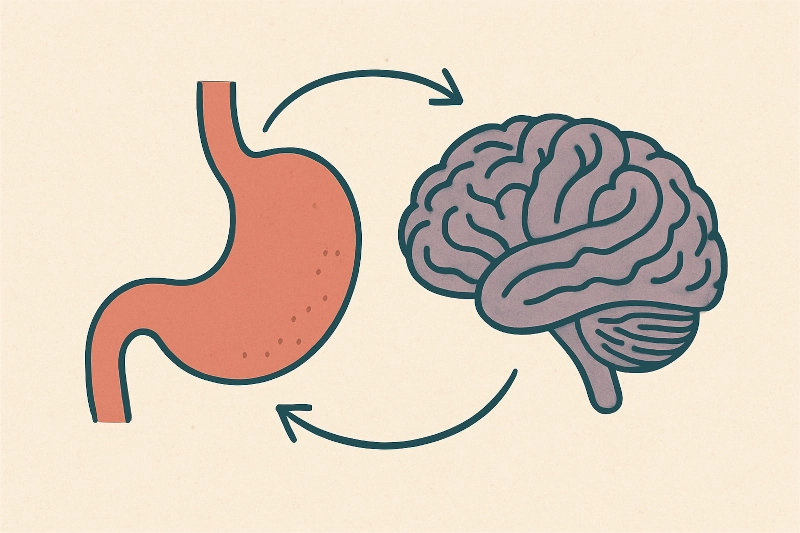
Bifidobacterium longum produces significant amounts of butyrate, a short-chain fatty acid that fuels colon cells and reduces inflammation. It’s been studied for its role in managing anxiety and depression through the gut-brain axis, improving symptoms of IBS, and supporting immune function. Typical dose: 1–10 billion CFUs daily. Best for: IBS, stress-related digestive issues, inflammatory conditions.
Multi-strain formulas combine several probiotic strains to provide broader coverage. While some research suggests that multi-strain products offer more comprehensive benefits, others show that single, highly targeted strains work better for specific conditions. If you’re new to probiotics, starting with a well-researched single strain (like LGG or B. lactis) can help you gauge tolerance and effectiveness before moving to a complex formula.
Safety considerations: Start with a lower dose (1–5 billion CFUs) for the first week to assess tolerance. Most people experience mild gas or bloating initially, which usually resolves within 3–7 days as the gut adjusts. Take probiotics with food to buffer stomach acid and improve survival of bacteria to the intestines. Refrigerated probiotics often have higher viability, but shelf-stable formulas using freeze-dried bacteria can work just as well if properly manufactured. If you have a compromised immune system, central venous catheter, or recent surgery, consult a healthcare provider before starting probiotics, as rare cases of infection have been reported in vulnerable populations. To learn more about supporting gut health with dietary fiber alongside probiotics, see our guide on choosing effective fiber supplements.
Red Flags: When Probiotics Aren’t Helping (Or Are Making Things Worse)
Most people tolerate probiotics well, but certain signs indicate you should pause, adjust, or seek medical evaluation.
Severe or worsening bloating after 2 weeks — Mild gas in the first week is normal as your gut adjusts. However, if bloating becomes painful or worsens after two weeks of consistent use, you may be taking too high a dose, using a highly fermentable strain (like certain Lactobacillus species), or dealing with SIBO (small intestinal bacterial overgrowation). Consider reducing the dose by half, switching to a different strain, or consulting a gastroenterologist for SIBO testing.
New digestive symptoms that weren’t present before — If you develop diarrhea, cramping, or nausea after starting probiotics, you may have a sensitivity to a specific strain or filler ingredient (like inulin, which some manufacturers add as a prebiotic). Stop the supplement and try a different brand with fewer additives. If symptoms persist, seek medical advice.
No improvement after 4–6 weeks of consistent use — Probiotics aren’t one-size-fits-all. If you’ve been taking a probiotic daily for over a month with no noticeable benefit—whether for digestion, bloating, or immunity—you may need a different strain, a higher dose, or to address underlying issues like inadequate fiber intake, chronic stress, or undiagnosed conditions like IBS or IBD. Probiotics support gut health but don’t replace comprehensive evaluation when symptoms persist. For immediate relief strategies if constipation is your primary concern, review our guide on evidence-based fast-acting methods.
Signs of infection (fever, chills, persistent abdominal pain) — While rare, probiotics can cause infection in people with weakened immune systems, open wounds in the digestive tract (such as active Crohn’s disease ulcers), or central venous catheters. If you develop fever, severe pain, or signs of systemic illness after starting probiotics, stop immediately and seek medical attention.
Allergic reactions — Some probiotic supplements contain dairy, soy, or gluten as carrier ingredients or from the fermentation process. If you have food allergies and develop hives, swelling, or difficulty breathing, discontinue use and consult a healthcare provider. Always read labels carefully and choose certified allergen-free products if you have known sensitivities.
If you have a history of intestinal obstruction, recent abdominal surgery, or conditions like short bowel syndrome, talk to your doctor before starting probiotics. While generally safe, specific medical contexts require professional guidance to avoid complications.
How to Start Probiotics Safely: 14-Day Introduction Plan
The most common mistake with probiotics is starting with too high a dose or expecting instant results. Your gut needs time to adapt to new bacterial populations, and rushing the process often leads to unnecessary discomfort and abandoned bottles.
Days 1–3: Start low (1–5 billion CFUs)
Begin with a single-strain probiotic at a lower dose, taken with breakfast. This timing helps buffer stomach acid and anchors the habit into your morning routine. Choose a strain based on your primary goal: Lactobacillus rhamnosus GG or Bifidobacterium lactis for general support, or Saccharomyces boulardii if you’re recovering from antibiotics. Monitor how you feel. Mild gas is normal; severe cramping or diarrhea is not.
Days 4–7: Assess tolerance
If you tolerated the first three days without issues, continue at the same dose. Pay attention to stool consistency, bloating levels, and energy. Many people notice subtle improvements in digestion by the end of the first week—less post-meal bloating, more regular bowel movements, or fewer digestive complaints. If bloating worsens, hold at the current dose for a few more days before increasing, or consider switching to a different strain.
Days 8–14: Increase gradually if needed
If you’re tolerating the initial dose well but not seeing significant benefits, consider increasing to 10–15 billion CFUs daily, or adding a second dose in the evening. Split dosing (morning and night) can provide more consistent colonization throughout the day. Continue monitoring your response. By week two, most people notice improved digestion, reduced bloating, or fewer colds if immune support was the goal.
Hydration and fiber are non-negotiable
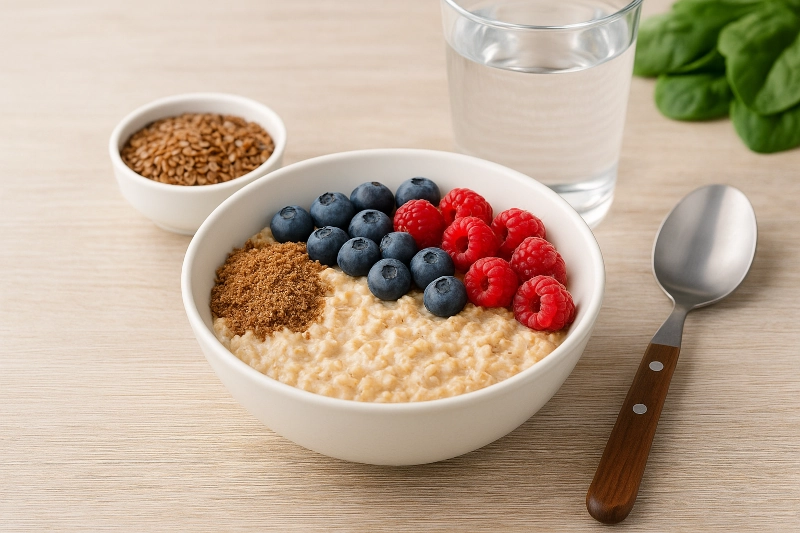
Probiotics work best when paired with adequate water (at least 64 ounces daily) and prebiotic fibers that feed beneficial bacteria. Foods like oats, bananas, garlic, onions, and legumes provide the fuel probiotics need to thrive. Without fiber, probiotics have less substrate to ferment, reducing their effectiveness. For more on building a fiber-rich diet, see our comprehensive guide on gut health fundamentals and fiber sources.
What to expect: Most people notice improvements in digestion, stool consistency, or bloating within 7–14 days. Immune benefits—like fewer colds or faster recovery from illness—may take 4–6 weeks to become apparent. Mild gas during the first week is common and typically resolves as your gut adjusts. If symptoms worsen or don’t improve after a month of consistent use, reassess the strain, dose, or consider evaluation for underlying conditions like SIBO or IBD.
Maintenance: Once you’ve found an effective strain and dose, continue daily use rather than cycling on and off. Probiotics provide benefits as long as you’re taking them—stop, and their population declines within days. However, if your diet becomes consistently rich in fermented foods (yogurt, kefir, sauerkraut, kimchi), you may reduce or eliminate supplementation without losing benefits. The goal is long-term gut balance, whether through supplements, whole foods, or both.
Your gut isn’t broken—it’s just out of balance. Probiotics won’t fix everything, but they can help tip the scales back toward health when paired with real food, adequate sleep, and stress management. Today, you just learned how to choose them strategically instead of guessing.
References
- National Institute of Diabetes and Digestive and Kidney Diseases (NIDDK). Your Digestive System & How It Works. Updated August 2025. https://www.niddk.nih.gov/health-information/digestive-diseases/digestive-system-how-it-works
- World Gastroenterology Organisation. WGO Practice Guideline: Probiotics and Prebiotics. Updated February 2023. https://www.worldgastroenterology.org/guidelines/probiotics-and-prebiotics
- American Gastroenterological Association. Pharmacological Management of Irritable Bowel Syndrome with Constipation (IBS-C). Updated March 2025. https://gastro.org/clinical-guidance/pharmacological-management-of-irritable-bowel-syndrome-with-constipation-ibs-c/
- Waller PA, Gopal PK, Leyer GJ, et al. Dose-response effect of Bifidobacterium lactis HN019 on whole gut transit time and functional gastrointestinal symptoms in adults. Scand J Gastroenterol. 2011;46(9):1057-1064. https://pubmed.ncbi.nlm.nih.gov/21663486/
- Szajewska H, Kołodziej M. Systematic review with meta-analysis: Lactobacillus rhamnosus GG in the prevention of antibiotic-associated diarrhoea in children and adults. Aliment Pharmacol Ther. 2015;42(10):1149-1157. https://pubmed.ncbi.nlm.nih.gov/26365389/
- McFarland LV. Systematic review and meta-analysis of Saccharomyces boulardii in adult patients. World J Gastroenterol. 2010;16(18):2202-2222. https://www.ncbi.nlm.nih.gov/pmc/articles/PMC2868213/
- Messaoudi M, Lalonde R, Violle N, et al. Assessment of psychotropic-like properties of a probiotic formulation (Lactobacillus helveticus R0052 and Bifidobacterium longum R0175) in rats and human subjects. Br J Nutr. 2011;105(5):755-764. https://pubmed.ncbi.nlm.nih.gov/20974015/
Frequently Asked Questions
Should I take probiotics every day or only when I have digestive issues?
Most people benefit from daily probiotic use to maintain consistent gut balance rather than taking them reactively during symptoms. Probiotics work cumulatively—stopping and starting reduces their effectiveness. However, if you’re eating fermented foods regularly (yogurt, kefir, sauerkraut) and have no digestive complaints, you may not need daily supplementation. Use probiotics preventively during antibiotic courses, travel, or periods of high stress when gut disruption is more likely.
Do probiotics survive stomach acid, or am I wasting my money?
Quality probiotics are formulated to survive stomach acid and reach the intestines where they colonize. Look for products that use enteric-coated capsules, freeze-dried strains with proven acid resistance (like Lactobacillus rhamnosus GG or Saccharomyces boulardii), or delayed-release technology. Taking probiotics with food also buffers stomach acid and improves bacterial survival. Cheap probiotics with no survival data or improper storage can lose viability, which is why choosing reputable brands with third-party testing (like USP or NSF certification) matters.
Can probiotics help with weight loss or metabolism?
While some studies suggest certain probiotic strains (like Lactobacillus gasseri) may support modest weight loss by influencing fat storage and appetite regulation, probiotics are not a weight loss solution. They may help optimize digestion and reduce bloating, making you feel less heavy, but they don’t replace calorie balance, exercise, or sustainable eating habits. If you’re considering probiotics for metabolic support, focus on strains with research backing (like B. lactis or L. rhamnosus) and combine them with a balanced diet rich in fiber and whole foods.
Are probiotic foods better than supplements?
Probiotic-rich foods like yogurt, kefir, kimchi, sauerkraut, and miso provide live bacteria along with nutrients, fiber, and bioactive compounds that supplements don’t offer. They’re generally safer, better tolerated, and more cost-effective for long-term gut health. However, supplements allow you to target specific strains at therapeutic doses (10–50 billion CFUs) that are hard to achieve through food alone. Ideally, combine both: eat fermented foods regularly for foundational support, and use targeted supplements when you need specific benefits like post-antibiotic recovery or IBS symptom management.