Natural constipation relief starts with small, steady habits and fiber-rich foods that support regularity—without harsh laxatives or crash fixes.
What Causes Constipation (and When to Worry)
Occasional constipation is extremely common. It can happen when fiber intake dips, hydration drops, or stress and travel disrupt your usual rhythm. The colon absorbs more water from stool when transit slows, making it harder and more difficult to pass.
While most cases respond to simple lifestyle changes, red flags such as persistent pain, blood in the stool, or unexplained weight loss warrant medical attention.
Understanding these basics helps you choose remedies that address the real cause—not just the symptom.
How Natural Remedies Support Regularity
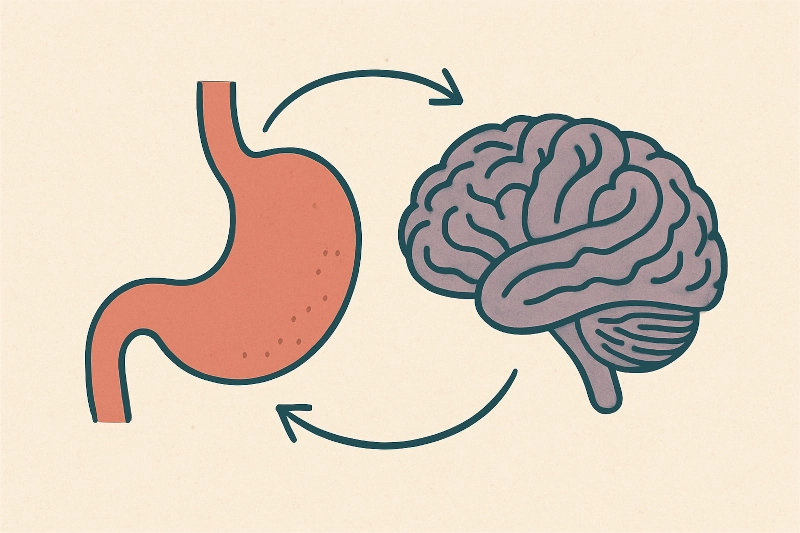
Natural constipation relief focuses on gently stimulating your gut’s own motility rather than forcing a rapid purge. This approach gives the digestive tract time to re-establish a predictable rhythm. Think of it as “training” rather than “shocking” your gut.
Most people notice improvements when they combine small, steady changes: gradually increasing fiber, adding hydrating foods, moving their body after meals, and managing stress—all of which support peristalsis (the wave-like contractions that move stool).
Best Foods for Constipation Relief
Food is the cornerstone of gentle constipation relief. Instead of relying on lists of “superfoods,” focus on patterns you can sustain:
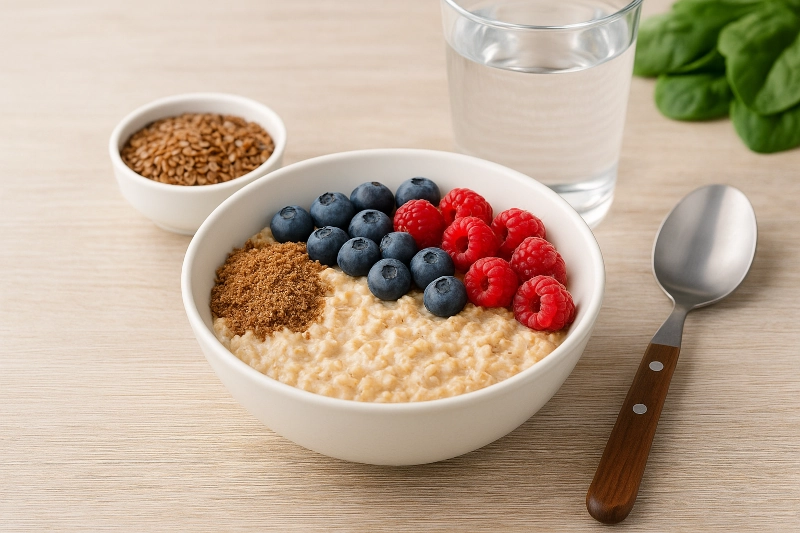
Fiber-rich plant foods such as oats, barley, beans, lentils, apples, pears, and leafy greens help soften and bulk up stool. Their blend of soluble and insoluble fibers acts like a natural broom and sponge, keeping waste moving smoothly.
Hydrating foods—like cucumbers, citrus, soups, and smoothies—add fluid to the stool matrix, which complements fiber’s effect.
Fiber & Hydration: The Real Duo
Fiber without water can actually backfire. Soluble fiber—found in psyllium, chia, flaxseed— absorbs water and forms a gel that softens stool. Insoluble fiber—like wheat bran, veggie skins, and whole grains—adds bulk and speeds transit. For an overview, see the The Nutrition Source guide to dietary fiber.
For most adults, increasing fiber by just 5–7 grams per day and drinking an extra 1–2 glasses of water can make a noticeable difference within a week.
If you’ve tried “more fiber” before and felt bloated, it’s often because the increase was too abrupt. Small steps work far better than weekend overhauls. The Mayo Clinic fiber overview explains how to adjust types and timing.

Gentle Natural Laxatives (Food & Herbal)
Certain foods have mild, natural laxative effects. Prunes and kiwi have been studied for their ability to increase stool frequency and softness without harsh side effects. Ground flaxseed, aloe vera (in food-safe doses), and warm lemon water in the morning can also nudge the bowel. See evidence summaries on prunes & constipation.
Herbal options like senna or triphala can be effective, but they’re best for short-term use and ideally under professional guidance. “Natural” doesn’t always mean “risk-free”—listen to your body and start low.
Daily Habits That Make a Difference
Your gut thrives on routine. A brief walk after lunch, coffee followed by water in the morning, or simply reserving five minutes at the same time each day to sit quietly on the toilet can reinforce your bowel’s natural signals.
Stress, lack of sleep, and rushing mornings all dampen motility. Protecting sleep and creating a calmer start to your day may do more for your gut than any supplement.
Over time, these habits retrain your intestines to move predictably—no harsh products needed.
When Natural Remedies Aren’t Enough
If after 10–14 days of consistent changes you’re still struggling, consider a gentle fiber supplement like psyllium or partially hydrolyzed guar gum (PHGG) to boost intake without bloating. These have been widely studied and are generally well tolerated.
Persistent constipation despite lifestyle changes may indicate an underlying issue. This guide is educational, not a substitute for professional care.
Explore more about fiber options in our related article: Fiber Without the Bloat: A Friendly Primer →
References
FAQ
How long until I notice results?
Many people feel improvements within a few days of consistent fiber and hydration. For most, 10–14 days is more realistic. Small, steady changes beat one-off fixes.
Are prunes or kiwi really effective?
Yes—studies show both can improve stool frequency and softness naturally. They’re also gentle and food-based, making them a first-line option.
When should I see a doctor?
If constipation persists beyond two weeks despite changes, or if you experience pain, blood, or weight loss, consult a healthcare professional.