
You’ve read about probiotics, heard about prebiotics, and seen postbiotics mentioned everywhere—but standing in the supplement aisle (or scrolling through endless product pages), the options blur together, and the choice feels impossible.
📋 Important: This article provides evidence-based information for educational purposes. It is not a substitute for professional medical advice. If you have digestive disorders, underlying health conditions, or concerns about symptoms, consult a healthcare provider before starting any new supplement regimen.
Why Gut Health Supplements Work—And When They Don’t
Maria spent $200 on probiotics over three months and felt… nothing. Her friend Rachel tried a different brand and noticed changes within a week. Same gut issues, different results. The problem wasn’t commitment—it was match.
Gut health supplements work when they address your specific digestive pattern, not just “gut health” as a concept. According to the American Gastroenterological Association, the most effective supplementation strategies target identifiable imbalances—low fiber intake, disrupted microbiome after antibiotics, or specific enzyme deficiencies. Generic “gut support” formulas cast a wide net but often miss the mark because your digestive system isn’t generic.
This matters because choosing the wrong category of supplement means you’re addressing the wrong problem. If your gut needs more beneficial bacteria (probiotics), feeding them better food (prebiotics) won’t solve the core issue. If your system struggles to break down specific foods, neither probiotics nor prebiotics will help—you need digestive enzymes. The first step isn’t buying a supplement; it’s understanding what your gut actually needs. That starts with recognizing your baseline digestive function, which we cover in detail in our complete guide to gut health fundamentals.
Here’s why understanding your options matters more than you think.
How We Evaluate Supplements: Our Review Criteria
We don’t review every supplement on the market—we review products that meet minimum standards of transparency, scientific backing, and real-world usability. Our evaluation framework focuses on factors that actually impact effectiveness and safety, not marketing claims.
- Ingredient Transparency — Does the label clearly list strains (for probiotics), dosages, and active compounds? Proprietary blends that hide specific amounts are automatically disqualified. You deserve to know exactly what you’re taking and in what quantity.
- Clinical Backing — Are the specific strains or compounds used in peer-reviewed studies? We look for ingredients with published research showing efficacy in human trials, not just in vitro or animal studies. If a product uses Lactobacillus rhamnosus GG, for example, that strain has decades of research behind it.
- CFU Count & Potency — For probiotics, we verify that colony-forming units (CFUs) are guaranteed through the expiration date, not just at manufacture. Quality products use protective packaging and include prebiotics or delayed-release capsules to ensure live bacteria reach your gut.
- Third-Party Testing — Independent verification matters. We prioritize products tested by organizations like NSF International, ConsumerLab, or USP for purity, potency, and absence of contaminants. This isn’t legally required, which makes companies that do it voluntarily more trustworthy.
- Dosage Practicality — Can you realistically take this every day? If a product requires 6 capsules three times daily, compliance drops. We favor once- or twice-daily formulas that fit into real routines without overwhelming pill burden.
- Price-Per-Dose Value — We calculate cost per day and compare it against similar products. Expensive doesn’t mean better, but ultra-cheap often signals corners cut in sourcing or quality control. We look for the middle ground where quality meets affordability.
- Return Policy & Guarantee — A 30, 60, or 90-day money-back guarantee signals confidence in the product. Companies that stand behind their formulas know they work for most people. No-questions-asked returns are a green flag.
According to the NIH Office of Dietary Supplements, consumers should verify that supplements carry a quality seal from recognized testing organizations and should be skeptical of products making disease-cure claims, which are legally prohibited for supplements. We follow these guidelines strictly in our evaluations.
These criteria filter out the noise and help us recommend products that actually deliver on their promises. Now, let’s break down what each category of supplement actually does.
Understanding Supplement Categories: What Does What
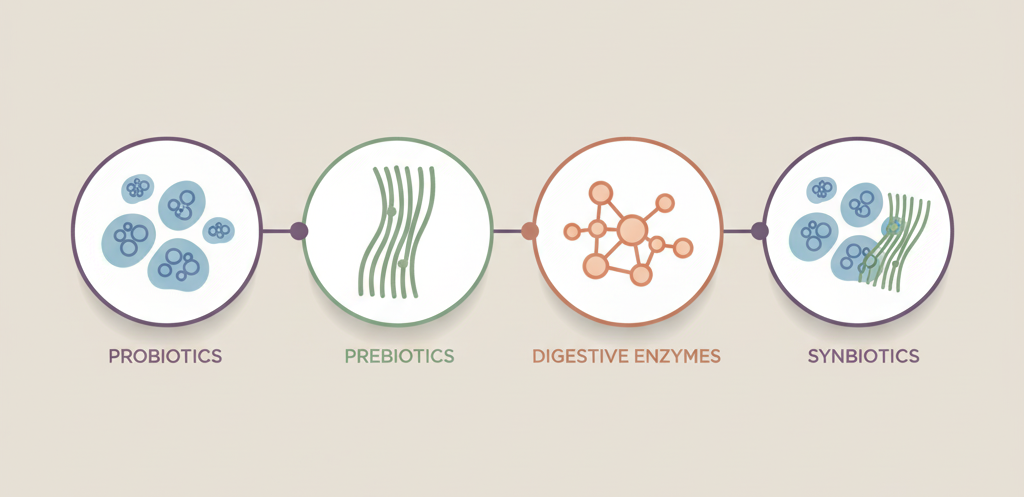
Before comparing specific products, you need to understand the four main categories of gut health supplements—because they work in fundamentally different ways. Choosing the wrong category is like bringing a hammer to a plumbing job: the tool isn’t bad; it’s just not the right one.
Probiotics: Adding Beneficial Bacteria
Probiotics are live microorganisms (primarily Lactobacillus and Bifidobacterium strains) that colonize your gut and support digestive function, immune response, and barrier integrity. They work best after antibiotic use, for specific digestive symptoms like bloating or irregular bowel movements, or when you need to rebalance your microbiome. Effective probiotic supplementation requires at least 1 billion CFUs (many formulas contain 10-50 billion), with strains that have documented survival through stomach acid. Probiotics don’t work overnight—you typically need 2-4 weeks of consistent use to notice effects. If you’re exploring probiotics specifically, our detailed guide to probiotic strains and mechanisms explains which strains target which symptoms.
Prebiotics: Feeding Your Gut Bacteria
Prebiotics are non-digestible fibers (like inulin, FOS, or GOS) that serve as food for your existing gut bacteria. They promote the growth of beneficial species and produce short-chain fatty acids that support colon health. Prebiotics are ideal if your diet is low in fiber (under 25g daily for most adults), if you want to enhance the effectiveness of probiotics you’re already taking, or if you experience constipation related to low fiber intake. Unlike probiotics, prebiotics don’t add new bacteria—they amplify what you already have. Some people experience gas or bloating when starting prebiotics; begin with lower doses and gradually increase. The National Institute of Diabetes and Digestive and Kidney Diseases recommends getting fiber from food first, but supplements can bridge gaps when dietary changes aren’t enough.
Digestive Enzymes: Breaking Down Food
Digestive enzymes (like amylase, protease, lipase, and lactase) help your body break down carbohydrates, proteins, fats, and lactose into absorbable nutrients. They’re most useful if you have pancreatic insufficiency, lactose intolerance, or symptoms triggered by specific foods (like bloating after beans or discomfort after high-fat meals). Enzyme supplements work immediately—you take them with meals, and they act during digestion. They don’t change your gut bacteria or fiber intake; they simply assist in nutrient breakdown. If you notice symptoms specifically after eating (not chronic, all-day discomfort), enzymes may be more appropriate than probiotics.
Synbiotics & Postbiotics: Combination Formulas
Synbiotics combine probiotics and prebiotics in one formula, providing both the bacteria and their food source. This can enhance probiotic survival and effectiveness. Postbiotics are the metabolic byproducts of probiotic bacteria (like short-chain fatty acids or bacterial cell wall components) and may offer benefits without requiring live bacteria. These newer formulas appeal to people who want comprehensive support or who’ve had digestive sensitivity to isolated probiotics or prebiotics. The science on postbiotics is still emerging, but early research suggests they may support gut barrier function and reduce inflammation.
Most people don’t need all four categories. The key is matching the supplement type to your specific digestive pattern. Here’s how the top products in each category stack up.
Top 3 Gut Health Supplements: Detailed Reviews
These seven products represent the best options across different categories, needs, and price points. Each has been evaluated against our criteria, and we’ve included honest pros and cons to help you make an informed decision. Products are organized by category, not ranked by preference—because the “best” supplement depends entirely on what your gut needs.
1. PrimeBiome – Doctor-Endorsed Skin-Gut Gummies
PrimeBiome positions itself at the intersection of gut health and skin wellness, using a gummy format that appeals to people who struggle with capsules. The formula combines probiotics with skin-supporting nutrients, targeting users who notice digestive issues affecting their complexion or vice versa.
Key Ingredients:
- Probiotic blend (specific strains and CFU count should be verified on label)
- Biotin and zinc for skin support
- Vitamin C for antioxidant protection
What We Like:
- ✅ Gummy format increases compliance for people who avoid pills
- ✅ Combines gut and skin support in one product (convenient for multitaskers)
- ✅ Doctor endorsement adds credibility (verify credentials of endorsing physician)
- ✅ Pleasant taste makes daily use sustainable
What Could Be Better:
- ❌ Gummies contain added sugars (typically 2-3g per serving), which some users prefer to avoid
- ❌ Probiotic potency may be lower than capsule formulas due to gummy format stability challenges
- ❌ Requires refrigeration after opening (less convenient for travel)
Price: Approximately $40-50 per bottle (30-day supply)
Best For: People who notice a connection between digestive issues and skin problems (acne, inflammation, dullness) and who prefer a pleasant-tasting supplement format over traditional capsules.
Where to Buy: Visit PrimeBiome Official Site
2. SynoGut – All-in-One Digestive Support
SynoGut combines probiotics, prebiotics, fiber, and natural laxatives in a comprehensive formula targeting multiple aspects of digestive health. It’s designed for people who want a single supplement rather than stacking multiple products.
Key Ingredients:
- Probiotic blend (Lactobacillus and Bifidobacterium strains)
- Prebiotic fibers (inulin, FOS)
- Psyllium husk (soluble fiber for regularity)
- Natural laxatives (aloe vera, prune extract)
What We Like:
- ✅ Comprehensive formula addresses multiple digestive issues in one product
- ✅ Combines immediate relief ingredients (natural laxatives) with long-term support (probiotics/prebiotics)
- ✅ Capsule format is convenient and shelf-stable
- ✅ Money-back guarantee demonstrates manufacturer confidence
What Could Be Better:
- ❌ “Kitchen sink” approach means you’re taking ingredients you may not need
- ❌ Natural laxative components (aloe, prune) may cause cramping in sensitive individuals
- ❌ Higher price point reflects multi-ingredient formula
Price: Approximately $60-70 per bottle (30-day supply)
Best For: People with multiple digestive complaints (constipation, bloating, irregular bowel movements) who prefer one comprehensive supplement over multiple targeted products.
Where to Buy: Visit SynoGut Official Site
3. Digesti – Gut Releasing Protocol
Digesti focuses on “gut releasing”—a protocol designed to address digestive sluggishness and incomplete elimination. The formula emphasizes motility support and gentle cleansing rather than aggressive laxative action.
Key Ingredients:
- Digestive enzymes (amylase, protease, lipase)
- Herbal motility supporters (ginger, peppermint)
- Magnesium oxide (osmotic effect for water retention in stool)
- Probiotic strains targeting regularity
What We Like:
- ✅ Enzyme inclusion helps with food breakdown and nutrient absorption
- ✅ Herbal ingredients (ginger, peppermint) provide gentle motility support without harsh stimulants
- ✅ Protocol approach includes usage guidelines for best results
- ✅ Targets both breakdown (enzymes) and movement (motility support)
What Could Be Better:
- ❌ “Releasing protocol” terminology may be unclear—essentially a combination enzyme/motility formula
- ❌ Magnesium oxide can cause loose stools if dose isn’t calibrated to individual needs
- ❌ Requires taking with meals for enzymes to be effective
Price: Approximately $50-60 per bottle (30-day supply)
Best For: People who experience slow digestion, food sitting heavily in the stomach, or incomplete bowel movements. Particularly useful if symptoms worsen after high-protein or high-fat meals.
Where to Buy: Visit Digesti Official Site
These products represent different approaches to gut health support. Now let’s look at what we specifically avoid recommending—and why those red flags matter.
What We Don’t Recommend—And Why
Transparency matters as much as recommendations. During our research, we evaluated dozens of gut health supplements and rejected many for specific, deal-breaking reasons. Here’s what we avoid—and the red flags you should watch for when shopping on your own.
Proprietary Blends Without Disclosure
Products that list a “proprietary digestive blend” without revealing individual ingredient amounts make it impossible to verify effectiveness or safety. You have no way to know if the formula contains therapeutic doses or token amounts. We rejected multiple products for this reason alone. If a company won’t tell you what’s in the bottle, don’t buy it.
“Cleanse” or “Detox” Formulas with Harsh Stimulants
Supplements marketed as “gut cleansers” or “colon detoxifiers” often contain senna, cascara sagrada, or other stimulant laxatives that cause dependency with regular use. Your gut doesn’t need “cleansing”—it needs balanced function. According to the National Institute of Diabetes and Digestive and Kidney Diseases, aggressive cleansing can disrupt electrolyte balance and damage the gut lining over time. These products may provide short-term relief but create long-term problems.
Extremely Low-Priced “Too Good to Be True” Options
Probiotics with 50 billion CFUs for $8 per bottle should raise immediate suspicion. Quality probiotic strains are expensive to culture, stabilize, and package. Rock-bottom prices often indicate lower-quality strains, inadequate CFU counts by expiration date, or lack of protective packaging. We’ve seen products claim high CFU counts at manufacture but test at 10% potency by the time they reach consumers. If the price seems impossibly low, there’s usually a quality compromise somewhere.
Products Making Disease-Cure Claims
Supplements cannot legally claim to cure, treat, or prevent diseases. Products stating they “cure IBS,” “eliminate Crohn’s disease,” or “reverse colitis” are violating FDA regulations and making medically irresponsible claims. We automatically reject any product with this type of marketing, regardless of ingredient quality. Supplements can support digestive function—they cannot cure diagnosed medical conditions.
Formulas with Excessive Inactive Ingredients
Check the “other ingredients” list. If you see a long list of fillers, artificial colors, unnecessary binders, or allergens (when alternatives exist), the manufacturer is prioritizing manufacturing convenience over your health. We favor products with minimal inactive ingredients and clear reasoning for any additives (like delayed-release capsules for probiotic protection).
These red flags appear across price points and brands. Even expensive supplements can hide poor formulation behind premium packaging. Always read labels carefully, verify third-party testing when possible, and be skeptical of dramatic before/after claims. Now let’s help you choose from the products that do meet quality standards.
How to Choose the Right Supplement for Your Needs
The best gut health supplement isn’t the one with the most five-star reviews or the highest price—it’s the one that addresses your specific digestive pattern. Use this decision framework to match products to your needs.
If you have chronic constipation (3+ days between bowel movements):
Start with prebiotic fiber supplements or dedicated fiber formulas covered in our fiber supplement comparison. These add bulk and feed beneficial bacteria without the dependency risk of stimulant laxatives. Give fiber 2-4 weeks to work—it’s not a fast-fix solution. If fiber alone doesn’t resolve the issue after a month, consider adding a probiotic with strains specifically studied for constipation (like Bifidobacterium lactis).
If you experience post-antibiotic digestive issues:
Antibiotics wipe out both harmful and beneficial gut bacteria. Probiotic supplementation can help restore balance, but timing matters. Start probiotics a few hours after your antibiotic dose (not at the same time, which reduces probiotic survival) and continue for 2-4 weeks after finishing the antibiotic course. Look for high-CFU formulas (25-50 billion) with multiple Lactobacillus and Bifidobacterium strains.
If specific foods trigger bloating or discomfort:
Digestive enzyme supplements work immediately when taken with meals. If you bloat after beans or cruciferous vegetables, try an enzyme containing alpha-galactosidase. If high-fat meals cause discomfort, look for formulas emphasizing lipase. If dairy is the culprit, a lactase supplement (or lactose-free products) is more targeted than broad-spectrum enzymes.
If you want general digestive support and prevention:
Synbiotic formulas combining probiotics and prebiotics (like SynoGut) offer comprehensive support. These work well for maintaining digestive health after resolving specific issues or for people with generally healthy digestion who want to optimize gut function. They’re also useful if you’re not sure whether you need probiotics or prebiotics—synbiotics provide both.
If you’ve tried probiotics without results:
Consider whether you’re taking the right strains for your symptoms. Lactobacillus rhamnosus GG helps with diarrhea but won’t necessarily improve constipation. Bifidobacterium lactis targets constipation more effectively. Strain specificity matters more than total CFU count. Review our probiotic strain guide to match strains to symptoms.
If you need fast relief for acute constipation:
Supplements work best for chronic, ongoing support—not acute emergencies. For immediate relief, refer to our quick constipation relief guide, which covers osmotic laxatives, suppositories, and same-day strategies. Once you’ve resolved the acute episode, start a maintenance supplement (fiber or probiotics) to prevent recurrence.
Start low, go slow: Regardless of which product you choose, begin with half the recommended dose for the first 3-5 days to assess tolerance. Gut supplements can temporarily increase gas or bloating as your microbiome adjusts. Gradual introduction minimizes discomfort and helps you identify any ingredients that don’t agree with you.
When to stop and reassess: If you’ve taken a supplement consistently for 4-6 weeks with zero improvement, it’s not the right match for your needs. Don’t keep taking something that isn’t working—either switch products or consult a gastroenterologist to rule out underlying conditions that supplements can’t address. For foundational gut health strategies that work alongside any supplement, return to our gut health fundamentals guide.
Supplements support gut health—they don’t replace it. The most effective approach combines targeted supplementation with adequate fiber intake (25-35g daily), proper hydration (8+ cups of water), regular movement, and stress management. Supplements fill specific gaps; they don’t compensate for an overall unhealthy lifestyle.
References
- American Gastroenterological Association (AGA) — Clinical Guidelines on Probiotic Use
- National Institutes of Health (NIH) Office of Dietary Supplements — Probiotic and Prebiotic Information
- National Institute of Diabetes and Digestive and Kidney Diseases (NIDDK) — Digestive Health Resources
- World Gastroenterology Organisation (WGO) — Global Guidelines on Probiotics and Prebiotics
FAQ
How long does it take for gut health supplements to work?
Timeline depends on supplement type. Digestive enzymes work immediately (within the same meal). Fiber supplements typically show effects within 3-7 days. Probiotics require 2-4 weeks of consistent use to colonize the gut and produce noticeable changes. If you see no improvement after 6 weeks with any supplement, it’s likely not the right match for your needs—consider switching products or consulting a healthcare provider.
Can I take probiotics and fiber supplements together?
Yes—this combination is called a synbiotic approach. Probiotics add beneficial bacteria, and fiber (acting as a prebiotic) feeds them. Many people find this more effective than either supplement alone. Take them at the same time or separately; timing doesn’t significantly impact effectiveness. Start with one supplement first, let your gut adjust over 1-2 weeks, then add the second to avoid overwhelming your system with changes.
Do I need to refrigerate probiotic supplements?
It depends on the formulation. Shelf-stable probiotics use protective technology (freeze-drying, delayed-release capsules, or moisture-resistant packaging) to keep bacteria viable at room temperature. Refrigerated probiotics may have higher potency but require consistent cold storage. Check the label—if refrigeration is required and you leave the bottle out overnight, potency drops significantly. When traveling, shelf-stable formulas are more practical.
Are expensive supplements always better than budget options?
Not always, but quality ingredients and third-party testing cost money. Ultra-cheap probiotics (under $15 for a month’s supply) often use lower-quality strains or don’t guarantee CFU counts through expiration. Mid-range products ($30-50 monthly) typically offer the best value—enough investment to ensure quality without paying for luxury branding. Check for third-party testing seals (NSF, ConsumerLab, USP) rather than just looking at price.
Can gut health supplements cause side effects?
Mild, temporary side effects are common when starting gut supplements—primarily gas, bloating, or changes in stool frequency as your microbiome adjusts. These typically resolve within 1-2 weeks. Start with half the recommended dose to minimize discomfort. If you experience severe cramping, diarrhea lasting more than 3 days, or allergic reactions (rash, difficulty breathing), stop immediately and consult a healthcare provider. People with compromised immune systems or serious digestive diseases should get medical approval before starting any probiotic supplement.
Should I take gut health supplements with or without food?
Follow label directions—formulations vary. Digestive enzymes must be taken with meals to work. Some probiotics are more effective on an empty stomach (allowing bacteria to pass quickly through stomach acid), while others include food or protective capsules and can be taken anytime. Fiber supplements work independently of meals but should be taken with plenty of water. When in doubt, follow the manufacturer’s instructions for the specific product you’re using.
Do gut health supplements interact with medications?
Some can. Fiber supplements may reduce absorption of certain medications (thyroid hormones, blood thinners, diabetes medications) if taken at the same time—space them 2-4 hours apart. Probiotics are generally safe with most medications but should be timed away from antibiotics (take a few hours apart, not simultaneously). Magnesium-containing supplements can interact with antibiotics, bisphosphonates, and certain diuretics. Always inform your healthcare provider about any supplements you’re taking, especially if you’re on prescription medications.