💰 Affiliate Disclosure: This post contains affiliate links. If you buy through them, we may earn a commission at no extra cost to you. We only recommend products we’ve researched and stand behind—this never changes our evaluation. See our full Affiliate Disclosure policy.

You're three days behind schedule, bloated, and the day ahead won't wait—so you're searching for quick constipation relief that actually works without regret by dinner.
📋 Important: This article provides evidence-based information for educational purposes. It is not a substitute for professional medical advice. If you have persistent constipation, underlying health conditions, or concerns about symptoms, consult a healthcare provider before trying new remedies or supplements.
Why Your Body Slows Down (And How to Read the Signal)
Sarah woke up Tuesday feeling off. Not sick—just heavy, bloated, and aware that her body hadn't moved in three days. She'd traveled over the weekend, skipped her usual morning walk, and lived on airport food. Now her jeans felt tight, her energy sagged, and she was searching her phone for answers between meetings.
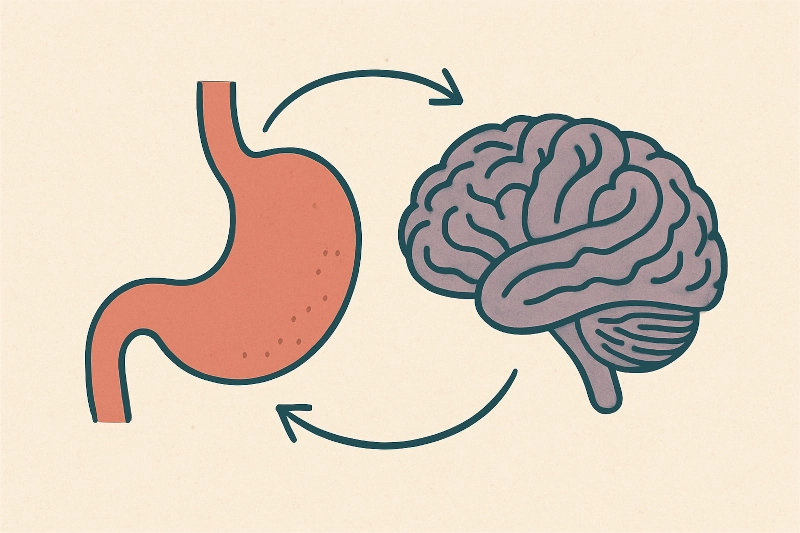
Constipation isn't a character flaw or a mystery illness—it's feedback. Your colon relies on a rhythm: fiber drawing water into stool, muscles contracting in waves, and gravity doing the last push. When hydration drops, movement stops, or routine shifts, that rhythm stalls. According to the National Institute of Diabetes and Digestive and Kidney Diseases, fewer than three bowel movements per week, hard or lumpy stools, and straining are classic signs that your digestive system has hit pause.
What's encouraging is that most constipation responds quickly to simple, evidence-based changes—within hours, not days. The key is understanding what your body needs in this moment, not chasing miracle cures. Think of it as gently rocking a slow-moving train back into motion. Let's explore how to build a daily rhythm that supports your gut even when life throws curveballs.
The 4-Hour Plan: What You Can Do Right Now
You don't need a pharmacy run to start. The fastest relief often comes from resetting three core systems: hydration, movement, and timing. Here's what matters in the next few hours.
- Try 16 ounces of warm water on an empty stomach — Many people find relief with plain warm water (not hot coffee or cold juice) first thing in the morning. The warmth may help stimulate gastrocolic reflex, the signal that tells your colon "food's coming, time to make room." This approach works best 30 minutes before a meal or upon waking.
- Walk for 10–15 minutes within 30 minutes of eating — Movement isn't just cardio; it's mechanical massage for your intestines. A post-meal walk helps peristalsis (the wave-like muscle contractions that push stool forward) kick back in. You're not training for a race—gentle, steady steps are enough.
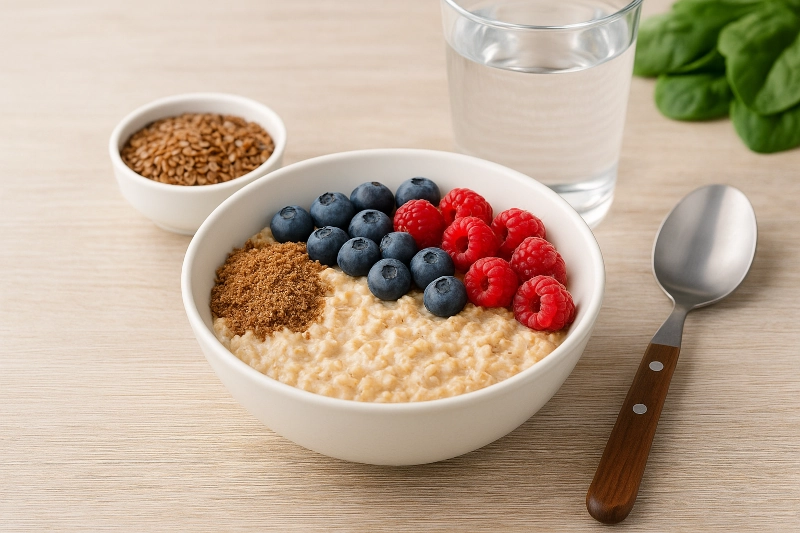
- Add a fiber boost strategically — If you can eat, consider a fiber-rich option like a pear with skin, a handful of prunes, or oatmeal with chia seeds. These foods pull water into your stool, softening it naturally. Expect results in 6–12 hours, not minutes—fiber needs time to work through your system.
- Sit on the toilet for 5 minutes after breakfast — Even if you don't feel the urge yet. Your body has a built-in window (the gastrocolic reflex peaks 15–30 minutes post-meal) where your colon is most responsive. Use this time to relax, breathe, and let gravity help.
Research from the Mayo Clinic emphasizes that lifestyle changes—hydration, fiber, and movement—form the foundation of effective constipation management. The beauty of this approach is that it works with your body's natural rhythm, not against it. If you're looking for deeper strategies on how fiber types interact with your gut bacteria, revisit our guide on natural constipation relief and soluble versus insoluble fiber.
Over-the-Counter Options That Work (And How to Choose Safely)
Sometimes lifestyle tweaks need backup. Over-the-counter laxatives can provide quick constipation relief, but they're not all created equal—and choosing the wrong type can lead to cramping, dependency, or disappointment. Here's how to navigate the pharmacy aisle with confidence.
Osmotic laxatives (polyethylene glycol, magnesium oxide) work by pulling water into your colon, softening stool naturally. They're gentle, effective within 6–12 hours, and considered safe for short-term use. According to joint American Gastroenterological Association and American College of Gastroenterology guidelines, magnesium oxide at 500 mg daily may be considered as a starting point under medical supervision—though people with kidney issues should avoid magnesium-based options.
Bulk-forming laxatives (psyllium, methylcellulose) mimic dietary fiber. They're best for maintenance, not rapid relief, as they take 12–72 hours to work. Think of them as training wheels for your gut—they teach your colon how to move regularly again.
Stimulant laxatives (bisacodyl, senna) trigger muscle contractions directly, often working in 6–12 hours (or faster with suppositories). They're effective but can cause cramping and shouldn't be your daily go-to—reserve them for occasional, urgent relief.
Safety considerations: Begin with the lowest dose listed on the label. Drink plenty of water (laxatives without adequate hydration can worsen symptoms). Read instructions carefully—some work faster on an empty stomach, others with food. And avoid using stimulant laxatives for more than a week without medical guidance; prolonged use may affect your colon's natural function.
If you'd rather build toward a bulk-forming fiber routine than lean on laxatives long-term, Golden Frib is a straightforward psyllium-based fiber supplement we've reviewed separately — no proprietary blend, the dose is on the label.

Red Flags: When Quick Relief Needs a Doctor's Input
Most constipation resolves with hydration, movement, and smart laxative use. But sometimes your body is signaling something bigger. Watch for these signs that it's time to call your doctor—not next month, but this week.
Severe abdominal pain that doesn't ease with gas relief or movement. Sharp, localized pain (especially in the lower right abdomen) can indicate obstruction or other conditions that need imaging. Constipation causes discomfort, but it shouldn't feel like a medical emergency.
Blood in your stool (bright red or dark, tar-like). While hemorrhoids from straining can cause minor bleeding, blood mixed into stool or persistent bleeding warrants immediate evaluation. Don't self-diagnose this one.
Unintentional weight loss (more than 5% of your body weight in a month) or a sudden change in bowel habits after age 50. These can be early signs of conditions that require colonoscopy or other diagnostic tests.
No bowel movement for more than 7 days despite trying fiber, fluids, and OTC laxatives. At this point, manual disimpaction or prescription therapies may be necessary—don't wait until you're in the ER.
The NIDDK treatment guidelines outline when doctors may order blood tests, imaging, or motility studies to rule out thyroid dysfunction, neurological issues, or structural problems. Seeking help isn't failure—it's smart care.
The 24-Hour Reset Plan (Plus Long-Term Maintenance)
Morning (within 30 minutes of waking): Consider drinking 16 oz warm water and eating a fiber-rich breakfast (oatmeal with berries, whole-grain toast with almond butter). Sitting on the toilet for 5 minutes—even if nothing happens—can help train your gastrocolic reflex. Why it works: Your colon is most active in the morning; you're leveraging biology, not fighting it.
Midday (around lunch): Walking for 10–15 minutes after eating can be beneficial. Stay hydrated by sipping water throughout the day, not just at meals. Why it works: Movement stimulates peristalsis; consistent hydration keeps stool soft and easier to pass.
Evening (2–3 hours before bed): A light meal with vegetables, avoiding heavy fats or processed foods, may support digestion overnight. If you're using an osmotic laxative, some people prefer taking it in the evening for morning results. Why it works: Giving your gut a break before sleep allows your colon to focus on movement, not digestion.
This 24-hour plan isn't magic—it's strategic alignment with how your body naturally works. Once things are moving again, the goal shifts to prevention. That means maintaining 25–30 grams of fiber daily, drinking 8–10 cups of water, and moving your body most days. If you're ready to build a sustainable approach, our long-term natural relief strategies cover meal timing, fiber cycling, and stress management.
When to escalate: If you've followed this plan for 3 days and still have no movement, or if pain worsens, stop and call your doctor. Quick constipation relief should feel like gentle momentum, not a battle.
For a deeper dive into how your gut microbiome influences motility and overall digestive health, revisit our comprehensive Gut Health 101 guide. Sustainable relief starts with understanding your body's signals—and today, you just learned to listen.
⚠️ Who Should Be Cautious
- Stimulant laxatives (bisacodyl, senna) and osmotic laxatives (PEG, magnesium oxide) are meant for occasional, short-term use—regular reliance on stimulant laxatives without medical guidance can affect how your colon works over time.
- Magnesium-based osmotic laxatives are not appropriate for people with kidney impairment, who are at risk of magnesium accumulating in the blood.
- If constipation has lasted more than 2–3 weeks, or comes with severe pain, blood in the stool, fever, or unintended weight loss, see a doctor before reaching for a quick fix—those symptoms need proper evaluation, not a faster remedy.
- Pregnant readers should check with a healthcare provider before using any stimulant or osmotic laxative.
This isn't a complete list of interactions or contraindications. When in doubt, check with a healthcare provider before starting anything new—see our Medical Disclaimer.
If fiber is part of your longer-term plan (not just the next few hours), see our comparison of fiber supplement types and brands to find one that fits your needs.
See Golden Frib's Current Price →
References
- National Institute of Diabetes and Digestive and Kidney Diseases (NIDDK) – Constipation Overview
- Mayo Clinic – Constipation Diagnosis and Treatment
- American Gastroenterological Association / American College of Gastroenterology – Clinical Practice Guideline on Chronic Idiopathic Constipation
- NIDDK – Treatment for Constipation
FAQ
How long does it take for quick constipation relief methods to work?
Hydration and movement can trigger bowel activity within 1–4 hours if your gastrocolic reflex is responsive. Fiber-rich foods typically work in 6–12 hours. Osmotic laxatives (like magnesium oxide or polyethylene glycol) usually produce results in 6–12 hours, while stimulant laxatives can work faster—often within 6 hours or less with suppository forms. If nothing moves after 24 hours of trying these strategies, consult a healthcare provider.
Can I use laxatives every day for quick constipation relief?
Osmotic laxatives (like polyethylene glycol) are generally considered safe for daily use under medical guidance, especially for chronic constipation. However, stimulant laxatives (bisacodyl, senna) should not be used daily long-term without a doctor's supervision—they can lead to dependence and reduced natural bowel function. Focus on lifestyle changes (fiber, water, movement) as your primary strategy, and use laxatives as short-term support when needed.
When should I see a doctor about constipation instead of trying quick relief at home?
Seek medical attention if you experience severe abdominal pain, blood in your stool, unintentional weight loss, or no bowel movement for more than 7 days despite using laxatives. Also consult a doctor if constipation is a new symptom after age 50, if you have a family history of colon cancer, or if home remedies consistently fail to provide relief. These could signal underlying conditions that require professional evaluation and treatment.