Affiliate Disclosure: The Buyers Angle is reader-supported. Some links in this post are affiliate links, meaning we may earn a commission if you make a purchase, at no extra cost to you. This never changes our analysis or verdict.
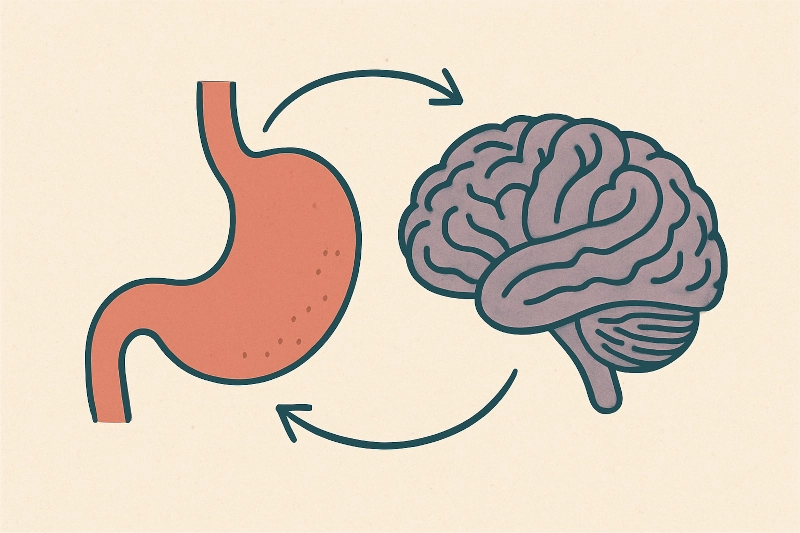
Type "probiotics for skin" into any search bar and PrimeBiome shows up fast, backed by a slick video sales letter and a "gut-skin axis" pitch that sounds more like a dermatology conference than a supplement label. That framing is exactly why it deserves scrutiny rather than a shrug. This review breaks down what's actually in the bottle, what the dosages (and their absence) tell us, and whether the underlying science supports the claims being made — or just borrows credibility from it.

What Is PrimeBiome?
PrimeBiome is a powdered probiotic-and-botanical blend sold in single-scoop packets, positioned around the idea that skin health is downstream of gut microbiome balance — the "gut-skin axis." It's marketed primarily toward people looking for clearer, more resilient skin through digestive support rather than topical products. It sits alongside other gut-focused picks in our gut health supplement roundup, and belongs to the same category we map out in our Gut Health 101 guide.
The Ingredients, Unpacked
PrimeBiome's label lists a mix of a probiotic strain, prebiotic fiber, and several botanicals, bundled as a proprietary blend:
- Bacillus Coagulans — a spore-forming probiotic strain with some clinical support for digestive symptom relief
- Inulin — a prebiotic fiber that feeds beneficial gut bacteria
- Dandelion — traditionally used as a mild digestive bitter
- Babchi (Psoralea corylifolia) — a botanical source of bakuchiol, more commonly studied in topical skincare than oral supplementation
- Fenugreek — a legume with documented effects on blood sugar and, in some studies, mild laxative activity
- Lion's Mane Mushroom — studied mostly for cognitive and nerve-related outcomes, not gut or skin health
- Slippery Elm — a demulcent traditionally used to soothe the digestive lining
- Baobab Fruit — a source of fiber and vitamin C
- Vitamin B12 — supports energy metabolism; relevant mainly for people with a documented deficiency
- Fennel and Glucomannan — additional fiber and digestive-support botanicals
The red flag: like most products in this category, PrimeBiome discloses the blend as a whole but not the individual milligram dose of each ingredient. That matters. Bacillus coagulans, for example, shows benefit in clinical trials at specific CFU counts — without knowing the dose in this formula, there's no way to verify it matches what was actually tested. This is the single biggest gap between PrimeBiome's marketing and what a buyer can actually confirm before purchasing.
What the Science Actually Says
The gut-skin axis itself is a legitimate and growing area of research — dysbiosis and gut barrier function have been linked to inflammatory skin conditions like acne, rosacea, and atopic dermatitis in published reviews (O'Neill et al., 2016). That's a real mechanism, not marketing fiction.
But there's a meaningful gap between "the gut-skin axis exists" and "this specific 10-ingredient blend measurably improves skin." The individual ingredients have varying levels of support:
- Bacillus coagulans has trial data for general digestive symptom relief, including a randomized trial in IBS patients (Majeed et al., 2016) — but none of those trials measured skin outcomes.
- Inulin and other prebiotic fibers have consensus support for feeding beneficial gut bacteria (Gibson et al., ISAPP consensus statement, 2017), a mechanism our probiotics for gut health guide covers in more depth.
- Fenugreek has meta-analysis-level support for modest blood sugar effects (Neelakantan et al., 2014), which is a reason for caution more than a skin benefit.
In short: the individual components have some real, if narrow, evidence behind them for digestive or metabolic outcomes. There is no published clinical trial on the PrimeBiome formula itself, and no direct trial connecting this specific ingredient combination to visible skin changes. That's not unusual for this category — but it's the gap the sales page doesn't mention.
See PrimeBiome's Official Site
Pricing and How It's Used
PrimeBiome is sold in single-scoop daily servings, mixed with water, typically through multi-bottle bundles on the official site rather than a single-unit purchase — a common pricing structure in this category that rewards committing to a longer supply before knowing if it works for you individually. Check the official site for current pricing and bundle options, since these change frequently.
Who Should Be Cautious
PrimeBiome isn't a fit for everyone:
- Pregnant or breastfeeding individuals — several botanicals in this blend (including fenugreek and babchi) don't have established safety data for pregnancy and should be cleared with a doctor first.
- People with legume allergies — fenugreek is a legume and can cross-react in people with peanut or chickpea allergies.
- Anyone on blood-thinning or blood-sugar medication — fenugreek can amplify the effect of both, raising bleeding or hypoglycemia risk.
- People with diagnosed IBD, SIBO, or another chronic GI condition — introducing a new fiber and probiotic blend should be discussed with a gastroenterologist rather than self-directed.
As with any supplement in this category, PrimeBiome is not a substitute for evaluating persistent digestive or skin symptoms with a physician.
The Honest Verdict
PrimeBiome isn't a scam-tier product — the ingredients are individually plausible, and the gut-skin axis mechanism it leans on is real research, not invented science. But the formula asks buyers to trust a proprietary blend with no published trial of its own, built on ingredients whose evidence mostly supports digestive or metabolic outcomes rather than the skin claims used to sell it. If you're specifically chasing skin improvements, the evidence gap between mechanism and product is wide enough to warrant skepticism. If you're more interested in general gut support and are comfortable with the missing dosage transparency, it's a reasonable — not exceptional — option to consider alongside the other formulas in our gut health supplement comparison.
Check PrimeBiome Pricing & Bundles
FAQ
Does PrimeBiome actually improve skin health?
The gut-skin axis mechanism it's built on is real, but there's no published clinical trial on the PrimeBiome formula itself connecting it to visible skin changes. The evidence supports the concept more than the specific product.
What is the main probiotic strain in PrimeBiome?
Bacillus coagulans, a spore-forming probiotic strain with some independent trial support for digestive symptom relief, though not for skin outcomes specifically.
Is PrimeBiome safe to take with medication?
Not necessarily. It contains fenugreek, which can interact with blood-thinning and blood-sugar medications. Anyone on those medications should check with a doctor before starting it.
How is PrimeBiome different from a basic probiotic supplement?
It adds prebiotic fiber and several botanicals (dandelion, babchi, slippery elm, among others) on top of a probiotic strain, marketed specifically around skin outcomes rather than digestion alone.
Are the individual ingredient dosages listed on the label?
No. PrimeBiome discloses the blend as a whole but not the milligram or CFU count of each individual ingredient, which makes it impossible to confirm the doses match what's been studied in clinical research.
Is PrimeBiome a good starting point for gut health in general?
It's a reasonable option if you're comfortable with the dosage transparency gap, but it's worth comparing against other formulas in our gut health supplement roundup before deciding.
References
- O'Neill, C.A. et al. "The Gut-Skin Axis in Health and Disease: A Paradigm with Therapeutic Implications." BioEssays, 2016.
- Majeed, M. et al. "Bacillus coagulans MTCC 5856 supplementation in the management of diarrhea predominant Irritable Bowel Syndrome." Nutrition Journal, 2016.
- Gibson, G.R. et al. "Expert consensus document: The International Scientific Association for Probiotics and Prebiotics (ISAPP) consensus statement on the definition and scope of prebiotics." Nature Reviews Gastroenterology & Hepatology, 2017.
- Neelakantan, N. et al. "Effect of fenugreek (Trigonella foenum-graecum L.) intake on glycemia: a meta-analysis of clinical trials." Nutrition Journal, 2014.