
Disclosure: This post contains affiliate links. If you buy through one of them, we may earn a commission at no extra cost to you. We only point readers toward products we'd recommend to a skeptical friend.
Psyllium husk is the fiber ingredient behind decades-old laxative brands, most modern "fiber supplement" capsules, and a growing pile of studies on cholesterol and blood sugar. It's also one of the few fiber supplements with real trial data behind it, which is more than you can say for most things sold in the supplement aisle. This post covers what psyllium husk is, what the evidence actually supports, how much to take, and who should be cautious with it — including where a capsule option like GoldenFrib fits if you can't stand the texture of mixed psyllium powder.
What Is Psyllium Husk?
Psyllium husk is the outer coating of the seed from Plantago ovata, a plant grown mainly in India. The husk is mostly soluble fiber — when it hits water, it swells into a thick gel rather than dissolving. That gel-forming property is the whole mechanism behind almost everything psyllium is used for, from constipation relief to cholesterol management.
It's sold as loose powder, capsules, wafers, and as the main ingredient in classic laxative brands. Unlike some fibers (inulin, for example), psyllium is only partially fermented by gut bacteria, which matters for how it behaves — more on that below.
Psyllium husk is one of the core ingredients covered in our Gut Health 101 guide, which is a good starting point if you're new to fiber and digestion generally.
How Psyllium Husk Works in Your Gut
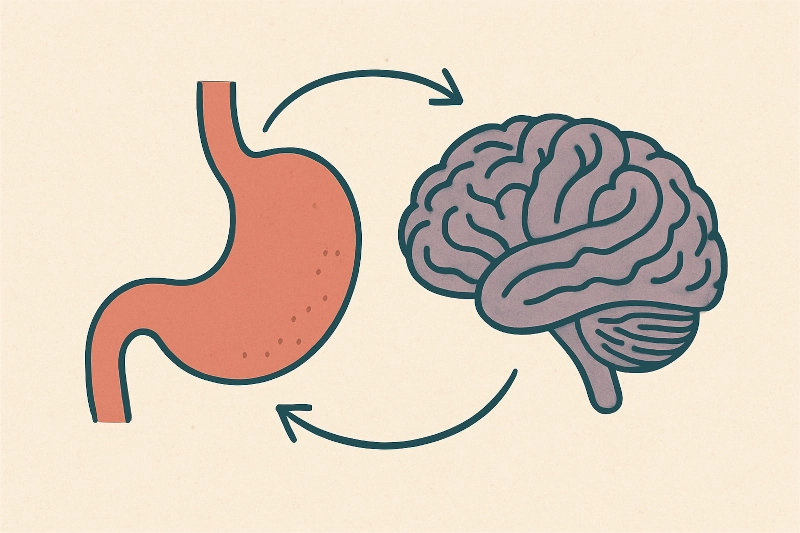
Most fibers get fully fermented by gut bacteria, which is useful for feeding the microbiome but doesn't do much for stool bulk. Psyllium is different: because it's only partially fermented, most of the gel it forms survives intact through the colon. That gel does two things — it adds bulk and softness to stool (helping things move), and it slows down how fast food and sugar move through the digestive tract (which is the mechanism behind its blood sugar effects).
This partial-fermentation behavior is well documented in the literature on psyllium's mechanism of action, and it's the main reason psyllium tends to be gentler on the gut than fast-fermenting fibers that cause bloating and gas — source.
Evidence-Backed Benefits of Psyllium Husk
Cholesterol
This is psyllium's best-established benefit. Multiple randomized controlled trials and meta-analyses have found that regular psyllium intake (roughly 7–10g/day) modestly lowers LDL ("bad") cholesterol, typically in the range of a small but real reduction when added to a standard diet — not a replacement for statins or dietary changes, but a legitimate adjunct source. The effect is consistent enough that psyllium is one of the few supplement ingredients the FDA allows a qualified heart-health claim on.
Blood Sugar
Because the gel slows gastric emptying and carbohydrate absorption, psyllium taken with meals has been shown in meta-analyses of randomized trials to modestly improve post-meal blood glucose and HbA1c in people with type 2 diabetes or elevated blood sugar source. This is not a substitute for medication or a doctor-managed diabetes plan — think of it as a supporting habit, not a treatment.
Regularity and Constipation
This is the original use case, and it holds up. Randomized trials comparing psyllium to placebo and to other laxatives (including stimulant laxatives) have generally found it effective for chronic constipation, with the added benefit of not causing the dependency issues associated with stimulant laxative overuse source. If constipation is your main concern and you want faster or gentler options depending on your situation, we've broken those down separately in Quick Constipation Relief and Natural Constipation Relief.
IBS Symptoms
Evidence here is more mixed but leans positive. Systematic reviews of fiber for irritable bowel syndrome generally find soluble fiber like psyllium performs better than insoluble fiber (like wheat bran), which can actually worsen IBS symptoms for some people source. If IBS is driven by an imbalanced gut microbiome rather than just stool consistency, pairing fiber with a probiotic strategy may help more — see our breakdown of probiotics for gut health.
How Much Psyllium Husk Should You Take?
Most of the trial data uses doses in the 5–10g per day range, usually split into two doses (e.g., 5g with breakfast, 5g with dinner). Standard advice, echoed across clinical sources:
- Start low: 2.5–5g once daily for the first several days.
- Increase gradually: work up to 5–10g/day over 1–2 weeks.
- Take with food or before meals if you're using it for cholesterol or blood sugar support — the gel needs to be present when carbs and fat hit the gut.
- Always take with a full glass of water (at least 8oz per dose) — this is not optional with psyllium, see side effects below.
Capsule products (like GoldenFrib) are dosed per-serving on the label — check the actual fiber content per capsule, since some blends use less psyllium and more filler than a straight powder.
How to Take Psyllium Husk (Powder vs. Capsules)
Powder mixed into water is the cheapest and most dose-flexible option, but it has a texture a lot of people find unpleasant — thick, slightly slimy, and it needs to be drunk fairly quickly before it gels in the glass. Capsules solve the texture problem but require swallowing several capsules to match a single dose of powder, and cost more per gram of fiber.
If you've tried powder and can't get past the texture, a capsule-based fiber blend like GoldenFrib is a reasonable alternative — it's built around psyllium as a base fiber rather than trying to replace it with something unproven. It won't out-perform straight psyllium powder on a per-gram basis (nothing will, it's the same active ingredient), but it removes the compliance problem, which matters more than the format if it's the difference between taking it daily or not.
Check GoldenFrib's Current Price

Psyllium Husk Side Effects
Psyllium is generally well tolerated, but side effects are common enough to plan around:
- Bloating and gas — most common in the first 1–2 weeks, usually resolves as your gut adjusts. Starting at a low dose reduces this significantly.
- Choking or esophageal blockage — rare but serious, and specifically tied to taking psyllium without enough water or letting powder sit and thicken before drinking it. This is the main reason the "take with a full glass of water" instruction isn't optional.
- Worsened bloating if dose is increased too fast — ramp up gradually rather than jumping straight to 10g/day.
- Reduced absorption of some medications if taken at the same time — see below.
Who Should Be Cautious With Psyllium Husk
- People with swallowing difficulties or esophageal narrowing — the choking/blockage risk is specifically elevated here; talk to a doctor before using any bulk-forming fiber.
- People taking oral medications — psyllium can reduce absorption of certain drugs (some diabetes medications, lithium, carbamazepine, and others) if taken at the same time. General guidance is to separate psyllium from medications by at least 1–2 hours; confirm timing with a pharmacist for anything with a narrow therapeutic window.
- People with a history of bowel obstruction or strictures — bulk-forming fiber can worsen an existing obstruction.
- Pregnant or breastfeeding people — psyllium is generally considered low-risk since it isn't systemically absorbed, but check with your OB before starting any new supplement.
- People with a known psyllium or grass-pollen allergy — occupational asthma and allergic reactions to psyllium dust are documented, mainly in healthcare workers who handled it regularly, but oral allergic reactions can happen too.
None of this makes psyllium dangerous for most people — it's one of the better-tolerated fiber supplements on the market. It just isn't a "take it however you want" product the way some marketing implies.
Psyllium Husk vs. Other Fiber Supplements
Psyllium isn't the only fiber supplement option — inulin, methylcellulose, wheat dextrin, and glucomannan all show up in different products. Psyllium tends to win on evidence depth (more trials, longer track record) and on being gentler for IBS-prone guts than fast-fermenting fibers like inulin. Methylcellulose (Citrucel) is a reasonable alternative if psyllium's gas/bloating side effects don't settle down after a few weeks. We compare the major fiber supplement brands and formats, including where psyllium-based products land, in Best Fiber Supplements: Types, Brands & How to Choose, and if you're weighing fiber against a broader gut-health stack (probiotics, digestive enzymes, etc.), see Best Gut Health Supplements.

Our Take
Psyllium husk is one of the few ingredients in the supplement world that actually has the trial data to back its main claims — cholesterol, blood sugar support, and constipation relief are all reasonably well established, not just marketing language. It's cheap, it's been studied for decades, and the side effect profile is predictable and manageable if you follow the basic rules (start low, drink enough water, separate from medications). The main decision isn't whether psyllium works — it's whether you'll actually take it consistently, which is where format (powder vs. capsule) matters more than most people expect.
FAQ
Is psyllium husk the same as Metamucil?
Metamucil's main active ingredient is psyllium husk, but it's a branded product that may include added sugars, flavorings, or other fillers depending on the version. Plain psyllium husk powder or capsules give you the fiber without the extras.
Can I take psyllium husk every day?
Yes — most of the research on cholesterol and blood sugar benefits specifically used daily, ongoing intake (weeks to months), not occasional use. Daily use with adequate water is standard.
Does psyllium husk cause weight loss?
Not directly. It can support satiety and slower digestion, which may help with appetite control as part of a broader diet, but there's no solid evidence it causes meaningful weight loss on its own.
How long does it take psyllium husk to work for constipation?
Most people notice softer, more regular stools within 12 to 72 hours of consistent use. Cholesterol and blood sugar benefits take longer to show up — typically several weeks of daily use in the studies.
Can psyllium husk make constipation worse?
It can, if taken without enough water — the fiber needs fluid to form its gel and move through the gut; without it, stool can actually become harder to pass. This is the most common reason people think psyllium "didn't work" for them.
Is psyllium husk safe for kids?
Psyllium is used in pediatric constipation in some clinical settings, but dosing is different from adult amounts and should be guided by a pediatrician rather than adult-labeled products.
References
- PubMed — Psyllium gel-forming mechanism and colonic fermentation
- PubMed — Psyllium and cholesterol: randomized trials and meta-analyses
- PubMed — Psyllium and glycemic control: meta-analysis of randomized trials
- PubMed — Psyllium for chronic constipation: randomized controlled trials
- PubMed — Fiber (including psyllium) for IBS: systematic review