💰 Affiliate Disclosure: This post contains affiliate links. If you buy through them, we may earn a commission at no extra cost to you. We only recommend products we’ve researched and stand behind—this never changes our evaluation. See our full Affiliate Disclosure policy.
A practical, evidence-based guide to improving digestion with food, fiber, and everyday habits—plus how gut health connects to sleep, stress, and mental well-being.
Why Gut Health Matters
Your gut is home to trillions of microorganisms—bacteria, fungi, viruses, and other microbes that collectively form what scientists call the gut microbiome. This isn't just a passive collection of organisms living in your digestive tract. These microbes actively participate in breaking down food, synthesizing vitamins (like vitamin K and certain B vitamins), producing short-chain fatty acids that nourish your colon cells, and communicating with your immune system.
Reviews from the NIH highlight associations between changes in the microbiome and digestive comfort, metabolic markers, and inflammation. Research has linked gut microbiome composition to conditions ranging from irritable bowel syndrome and inflammatory bowel disease to obesity, type 2 diabetes, and even mental health conditions like depression and anxiety. While the science is still evolving and causation versus correlation remains a complex question, the emerging picture suggests that gut health influences far more than just digestion.
The encouraging news? While research is evolving, the day-to-day levers are surprisingly simple: what you eat most often, how much fiber you tolerate, how you sleep, and how stressed you feel. You don't need expensive tests, exotic supplements, or complicated protocols to support your gut. Most people see meaningful improvements by focusing on consistent, foundational habits rather than chasing the latest superfood or probiotic trend.
Think of your gut microbiome like a garden. The microbes are the plants, and your diet is the soil and water. Feed them well with diverse plant foods and fiber, and beneficial species flourish. Starve them with processed foods and sugar, and less helpful species take over. The goal isn't perfection—it's creating an environment where the helpful microbes can thrive.
Start Here: What Usually Moves the Needle
Before diving into specific foods or supplements, understand that gut health improvement is about patterns, not perfection. Most people who successfully improve their digestion focus on a handful of high-impact habits and stick with them long enough to see results. Here's what actually works:
- Build a predictable base plate — Include plants at each meal (fruit or veg) + a fiber source (oats, beans, lentils, chia/flax) + protein you enjoy. This combination provides the building blocks your gut needs: fiber to feed beneficial bacteria, diverse plant compounds (polyphenols) that support microbial diversity, and protein to maintain overall health. The key word is "predictable"—your gut responds well to routine.
- Add 1 fermented food daily (yogurt, kefir, sauerkraut, kimchi) and notice how you feel across a week. Fermented foods contain live cultures that may temporarily boost beneficial bacteria and produce compounds that support gut barrier function. Start with small portions—a few tablespoons of sauerkraut or half a cup of yogurt—and observe whether you feel better, worse, or neutral after a week of consistent intake.
- Increase fiber gradually. Too much, too fast is the #1 reason people bail on gut-healthy eating. Your gut bacteria need time to adapt to processing more fiber. Rush it, and you'll end up bloated and convinced that "healthy eating doesn't work for me." Slow and steady wins this race.
- Hydrate and walk — Water helps fiber work; 10–20 minutes of easy movement after meals can nudge motility. Fiber without adequate fluid is like a sponge without water—it doesn't expand properly and can actually worsen constipation. Aim for at least 8 cups of water daily, more if you're increasing fiber intake significantly. The post-meal walk doesn't need to be intense; gentle movement stimulates the gastrocolic reflex and helps move things along.
- Protect sleep and lower frantic mornings — The gut is surprisingly sensitive to both. Sleep deprivation alters gut microbiome composition within just two days, according to research. Stress hormones directly affect gut motility and can trigger symptoms like urgency, cramping, or constipation. If you're doing everything right with diet but still struggling, look at your sleep and stress levels.
- Give any change 10–14 days unless symptoms demand otherwise. The gut likes routine. Your microbiome needs time to adapt to new inputs. Constantly switching strategies doesn't give your body the chance to establish new patterns. Be patient with yourself and the process.
These aren't revolutionary ideas, but they work because they're sustainable. The best gut health strategy is the one you'll actually follow for months, not the one that sounds impressive but lasts two weeks.
If getting enough fiber from food alone is the piece that keeps slipping, Golden Frib is a straightforward psyllium-based fiber supplement we've reviewed separately — no proprietary blend, the dose is on the label.
What to Eat for Gut Health (and Why)
Diet is the foundation of gut health. Your microbiome composition can shift measurably within 24-48 hours of dietary changes, though lasting shifts require consistent patterns over weeks and months. Instead of chasing perfect lists or eliminating food groups, build patterns you can keep:
- Plants with fiber: oats, barley, beans, lentils, chickpeas, sweet potatoes, leafy greens, flaxseed or chia. These foods provide both soluble and insoluble fiber, which feed different bacterial species and support various digestive functions. Aim for variety—each plant food feeds slightly different microbial species, so diversity in your diet promotes diversity in your microbiome.
- Fermented foods: yogurt with live cultures, kefir, sauerkraut, kimchi, miso. These foods contain live bacteria and yeasts that may transiently colonize your gut and produce beneficial compounds. Look for "live and active cultures" on yogurt labels. For sauerkraut and kimchi, choose refrigerated versions from the produce section—shelf-stable versions have been pasteurized and contain no live cultures.
- Prebiotic-rich choices: onions, garlic, asparagus, artichokes, bananas (slightly green), oats. Prebiotics are specific types of fiber that selectively feed beneficial bacteria like Bifidobacteria and Lactobacilli. Green bananas contain resistant starch, which passes through your small intestine undigested and feeds bacteria in your colon. As bananas ripen, this starch converts to sugar, so slightly green bananas offer more prebiotic benefit.
- Polyphenol-rich plants: berries, olives/olive oil, cocoa, green tea. Polyphenols are plant compounds that act as antioxidants and also serve as food for gut bacteria. When your microbes ferment polyphenols, they produce metabolites that may reduce inflammation and support gut barrier integrity. Dark chocolate (70%+ cacao), blueberries, and extra virgin olive oil are particularly rich sources.
What about foods to avoid? The evidence suggests that highly processed foods, excessive sugar, and artificial sweeteners may negatively impact gut microbiome diversity. However, rigid elimination diets often backfire—they're stressful to maintain and can inadvertently reduce the dietary diversity your gut needs. A more sustainable approach: crowd out less helpful foods by adding more of the beneficial ones. When your plate is full of fiber-rich plants, fermented foods, and polyphenol sources, there's naturally less room for processed options.
Fiber Without the Bloat: A Friendly Primer
Fiber is perhaps the single most important dietary factor for gut health, yet it's also where most people struggle. The average American consumes only 15 grams of fiber daily—about half the recommended 25-35 grams. Increasing fiber intake can transform your digestive health, but doing it wrong leads to the bloating, gas, and discomfort that makes people swear off "healthy eating" entirely.
How to ramp safely
Aim for small, steady bumps: ~5–7 g extra fiber per day for 3–4 days, then add another 3–5 g if you feel fine. Always drink more water when you add fiber — think of fiber as a sponge that only works when it's wet. Big jumps of 10–15 g all at once are the fast track to cramps, not a sign fiber "doesn't work."
Your gut bacteria need time to upregulate the enzymes that ferment fiber. When you suddenly flood your system with fiber, bacteria produce gas faster than your body can absorb or expel it, leading to painful bloating. Gradual increases allow bacterial populations to adjust and your gut to adapt to processing larger volumes.
Real-world example
Say you eat ~15 g/day right now. This week, you could add oats and fruit at breakfast (about 5-7g extra), or beans at lunch a few times, to reach ~20 g. Next week, push toward 24–25 g with a veggie-heavy dinner or by sprinkling a tablespoon of ground flax into your yogurt. These small steps work better than the classic "all-or-nothing" weekend overhaul.
If you've ever had that "balloon belly" after eating a healthy dinner, you're not broken — you probably just changed too much too quickly. Tracking what you add and how your gut reacts over a week is often the difference between quitting and finding your rhythm.
Soluble vs. insoluble fiber
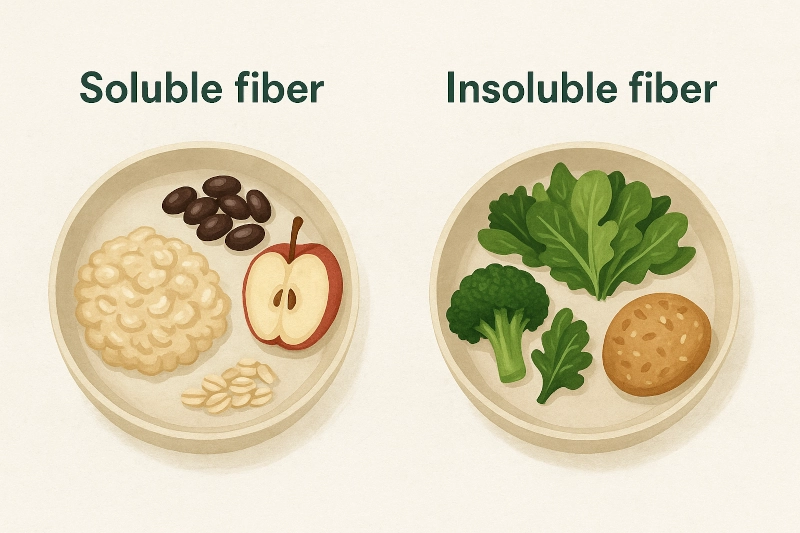
Not all fiber is created equal. Soluble fiber (found in oats, beans, apples, psyllium) dissolves in water to form a gel-like substance that slows digestion and softens stool. Insoluble fiber (found in wheat bran, vegetables, whole grains) doesn't dissolve—it adds bulk to stool and speeds transit time. Most whole plant foods contain both types, which is why eating whole foods beats isolated fiber supplements for most people.
Note: If you're exploring specific fiber products (psyllium, PHGG, wheat dextrin), our fiber supplement comparison guide breaks down how each type works, which brands are backed by evidence, and how to start safely. For broader digestive support beyond fiber—including probiotics, enzymes, and synbiotics—see our complete gut health supplement reviews. The Mayo Clinic overview also helps you understand differences and when to take them.
Gut–Brain Link: Stress, Sleep & Symptoms
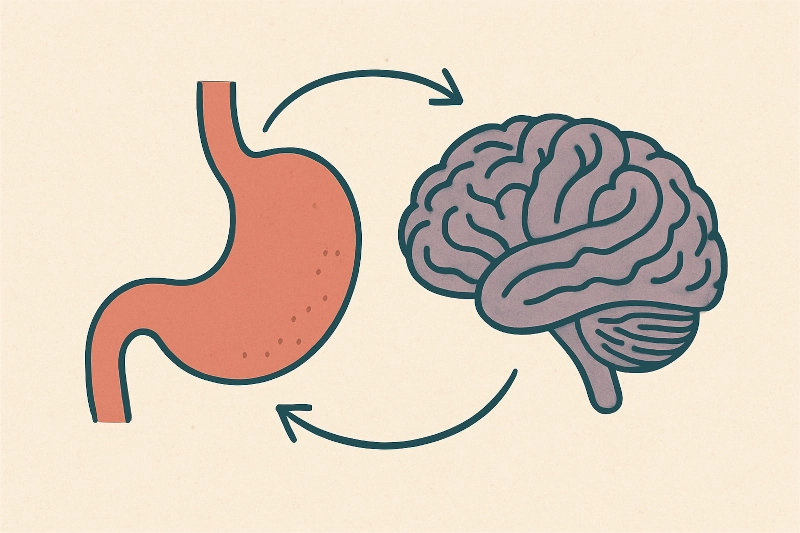
Ever noticed harder mornings after a poor night's sleep? Or how stress seems to go straight to your gut? This isn't coincidence—it's biology. The gut and brain talk constantly through what scientists call the gut-brain axis, a bidirectional communication network involving the vagus nerve, immune system, and microbial metabolites.
As Harvard Health summarizes, microbial metabolites and neural/immune pathways can influence mood, stress response, and motility. When you're stressed, your body releases cortisol and activates the sympathetic nervous system ("fight or flight"), which slows digestion—your body prioritizes survival over processing food. Chronic stress can alter gut microbiome composition, increase intestinal permeability ("leaky gut"), and trigger symptoms like bloating, cramping, urgency, or constipation.
Sleep matters just as much. Research shows that even partial sleep deprivation (sleeping 4-5 hours instead of 7-8) can shift microbiome composition toward less favorable patterns within just two days. Sleep is when your body performs maintenance and repair, including in your gut. Shortchange sleep, and you shortchange your gut's recovery time.
Practical strategies that help:
- Keep caffeine predictable (before noon). Caffeine stimulates gut motility, which can be helpful or problematic depending on your situation. The key is consistency—your gut adapts to patterns.
- Buffer mornings — five quiet minutes, a short walk, or breathing can ease urgency and cramps. The morning cortisol spike (cortisol awakening response) can trigger gut symptoms, especially if you're already stressed. Creating a buffer between waking and rushing into your day gives your nervous system time to settle.
- Protect 7–8 hours of sleep — the most boring gut intervention is often the most effective. If you're doing everything right with diet but still struggling, audit your sleep. This single change often produces more dramatic results than any supplement or special diet.
The gut-brain connection also means that improving gut health can positively impact mood and stress resilience. It's a two-way street—work on both ends for best results.
A Gentle 14-Day Plan (Food, Fiber, Habits)
This plan isn't about perfection—it's about building sustainable patterns. Follow it loosely, adapt meals to your preferences, and focus on the core principles: fiber + fermented + hydration + movement.
Week 1 — Build the base
Focus on establishing routine without dramatically increasing fiber yet. Get comfortable with the new pattern first.
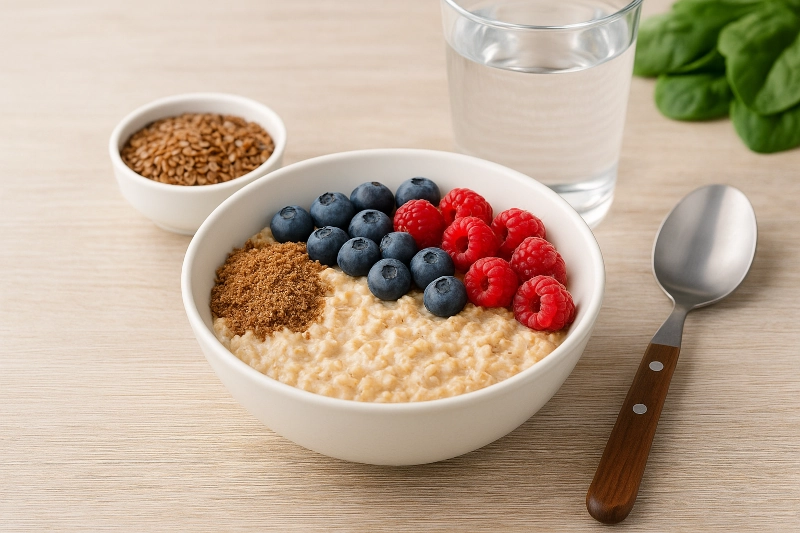
- Breakfast: Overnight oats with yogurt and berries (add 1 tsp ground flax). This combination provides soluble fiber (oats), live cultures (yogurt), polyphenols (berries), and omega-3s (flax). Prep the night before for convenience.
- Lunch: Grain bowl (brown rice or barley) + chickpeas + mixed veg + olive oil/lemon. This gives you whole grains, plant protein, fiber, and healthy fats. The olive oil aids absorption of fat-soluble vitamins and provides polyphenols.
- Dinner: Protein you like + two veg (one leafy, one starchy) + small sauerkraut side. The sauerkraut provides live cultures; the vegetables add fiber and diversity. Don't overthink protein choice—chicken, fish, tofu, eggs, whatever you enjoy.
- Daily: 1 fermented food; 10–20 min easy walk after the largest meal; water bottle at desk. The walk stimulates digestion; the water bottle serves as a visual reminder to hydrate consistently throughout the day.
Week 2 — Nudge fiber up
Now that your routine is established, gradually increase fiber intake while maintaining everything else.
- Add beans/lentils 3–4 days this week (½–1 cup servings). If beans cause gas, start with lentils (easier to digest) or canned beans (rinsing removes some gas-producing compounds).
- Increase flax/chia to 1 tbsp/day if tolerated. Ground flax is better absorbed than whole; chia can be added to smoothies, oatmeal, or water (let it gel for 10 minutes first).
- Keep the post-meal walk; add a short stretch before bed if stress runs high. Evening stretching or gentle yoga can activate the parasympathetic nervous system ("rest and digest") and improve sleep quality.
What you should feel: slightly easier stool form, fewer "heavy" afternoons, and steadier energy. If bloating spikes, pause increases and hold steady for 3–4 days before adjusting again. This isn't failure—it's your body asking for more adaptation time.
Troubleshooting: Bloating, Irregularity & Plateaus
Even with the best intentions, you'll hit bumps. Here's how to navigate common issues without abandoning your progress:
- Bloating just went up: You likely changed too much at once. Roll back to last comfortable fiber level, spread fiber across meals (rather than loading it all at breakfast), and sip water across the day. Bloating should resolve within 2-3 days. If it doesn't, consider whether you might have a specific food sensitivity (common culprits: FODMAPs like onions, garlic, beans, certain fruits). Keep a simple food diary to identify patterns.
- Still irregular after 10–14 days: Confirm basics (fiber + water + movement). If you need immediate relief, explore our quick constipation relief guide for evidence-based methods that work in 4–12 hours. For gentler, long-term approaches, see our natural constipation relief guide. Test one change at a time (e.g., psyllium with breakfast for 7 days). Keep notes — your gut has patterns. If constipation persists despite adequate fiber (25g+), water (64oz+), and movement, consider magnesium supplementation or consult a healthcare provider to rule out underlying issues.
- Quick-fix mindset: Helpful in a pinch, but aim to graduate to routines. Emergency solutions (like osmotic laxatives) serve a purpose, but long-term gut health comes from consistent daily habits. Use quick fixes as bridges while you establish sustainable patterns.
- Plateau after initial improvement: You've likely adapted to your current routine. Time to level up—add more diverse plant foods (aim for 30 different plants weekly), increase fiber slightly, or add a second fermented food. Sometimes the gut needs new challenges to continue improving.
Remember: troubleshooting is normal. Your gut is a living ecosystem that responds to countless variables—stress, sleep, travel, medications, hormonal cycles. The goal isn't eliminating all variability; it's understanding your patterns well enough to navigate them.
How to Measure Progress (Simple, At Home)
You don't need expensive tests to track gut health improvements. Simple, consistent observation often reveals more actionable information than elaborate diagnostics. Here's what to track:
- Three-word log: Each night jot down stool form (soft/firm), comfort (ok/bloated), and energy (steady/tired). This takes 30 seconds and reveals patterns over time. You can use the Bristol Stool Chart as a reference—Types 3-4 (smooth, soft sausage shapes) indicate healthy transit time and hydration.
- Seven-day view: Are there 4–5 "comfortable" days? If yes, keep going. If not, adjust one lever. Don't expect perfection—even people with excellent gut health have off days. Look at the overall pattern, not individual days.
- Monthly trend: If nothing improves after a month of steady experiments — especially with pain, blood, or weight loss — speak with a clinician. This guide is educational, not medical care. Certain symptoms (rectal bleeding, unexplained weight loss, severe pain, family history of colon cancer) warrant professional evaluation regardless of lifestyle changes.
- Subjective markers: Beyond stool, notice your energy levels, skin clarity, mood stability, and how you feel after meals. These indirect markers often improve alongside gut health, though they're influenced by many factors.
Progress isn't always linear. You might feel great for two weeks, then have a rough few days (stress? travel? hormones?), then stabilize again. The trajectory matters more than daily fluctuations.
See Golden Frib's Current Price →
Explore More Gut Health Guides
- Probiotics for Gut Health: How They Support Digestion, Immunity & Balance
- Best Fiber Supplements: Types, Brands & How to Choose the Right One
- Best Gut Health Supplements 2026: Evidence-Based Reviews & Comparison
- Quick Constipation Relief: What Works in 4–12 Hours (Evidence-Based)
- Natural Constipation Relief: Gentle, Evidence-Based Ways to Get Things Moving
References
FAQ
How fast will I notice changes?
Some people feel differences within a few days of consistent fiber + hydration. For many, 10–14 days is more realistic. Routines beat one-off fixes. Your microbiome can shift measurably within days, but establishing new patterns that "stick" takes weeks of consistency. Be patient—sustainable change isn't instant.
Do I need probiotics?
Not everyone does. Certain strains may help specific concerns, but responses vary. Try food-first (fermented foods) and track; if you test a supplement, give it 2–4 weeks. For a detailed guide on how probiotics work, which strains target specific issues, and how to start safely, see our complete probiotics guide. If you want to compare specific probiotic products with other gut health supplements, check our supplement comparison reviews.
Which fiber is "best"?
The one you tolerate and will actually use. Psyllium is well-studied for stool form; PHGG is gentler for bloating; wheat dextrin mixes easily. For a detailed comparison of fiber types, brands, and how to choose safely, see our complete fiber supplement guide. Start low, go slow. Whole food sources (oats, beans, vegetables) are generally preferable to isolated supplements because they provide additional nutrients and feed diverse bacterial species.
What are the best gut health supplements?
The best supplement depends on your specific needs—probiotics for microbiome balance, prebiotics for feeding bacteria, or enzymes for food breakdown. We've reviewed the top evidence-based options, including honest pros and cons for each, in our complete gut health supplement comparison guide. Remember: supplements should complement, not replace, a fiber-rich diet and healthy lifestyle habits.
Can I eat too much fiber?
Yes, though most people are nowhere near this risk. Extremely high fiber intake (50g+ daily) without adequate hydration can cause intestinal blockages, and excessive fiber may interfere with mineral absorption (particularly zinc, iron, and calcium). For most people, 25-35g daily is the sweet spot. If you're consistently above 40g, ensure you're drinking plenty of water and getting diverse nutrient sources. Bloating and gas at high fiber levels usually indicate you increased too quickly, not that you're eating too much overall.
Should I get my gut microbiome tested?
Consumer microbiome tests are interesting but often not actionable. Current science can identify which bacteria are present, but we don't yet have definitive evidence about what constitutes an "ideal" microbiome—it varies significantly between healthy individuals. Most people benefit more from focusing on evidence-based dietary changes (fiber, fermented foods, plant diversity) than from trying to interpret complex microbiome data. If you have specific diagnosed conditions (like IBD or recurrent C. diff), work with a gastroenterologist who can order clinically validated tests.